Curb Space Management: Optimizing the Most Contested Real Estate in Cities
A city curb is claimed by delivery vans, ride-hail pickups, transit stops, and parked cars all at once — and the cities still allocating it on a first-come basis are leaving an obvious optimization problem on the table.

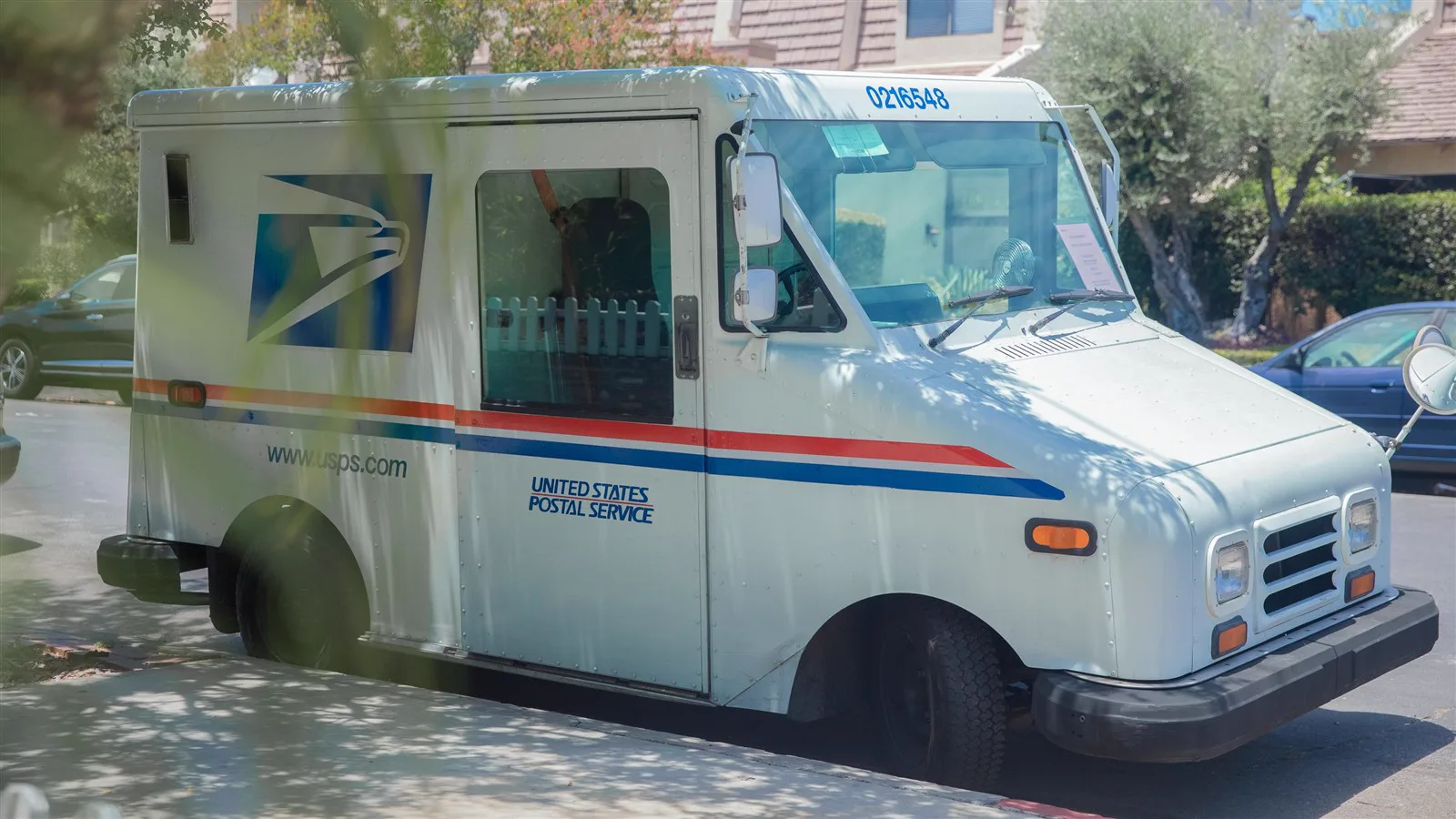
A city block's curb is one of the few pieces of urban infrastructure still allocated almost entirely on a first-come, first-served basis, even as demand on it has diversified faster than almost any other shared resource — delivery vans, ride-hail pickups and drop-offs, transit stops, loading docks, and parked vehicles all compete for the same few meters at the same peak hours.
That mismatch is why double-parked delivery vehicles are now one of the most common sources of urban congestion in dense commercial districts — not because there isn't enough curb space in aggregate, but because it isn't being allocated to match actual demand patterns by time of day.
A city curb is claimed by delivery vans, ride-hail pickups, transit stops, and parked cars all at once — and the cities still allocating it on a first-come basis are leaving an obvious optimization problem on the table.
§ 02Dynamic allocation beats fixed zoning
Static curb zoning — a fixed loading zone here, a fixed transit stop there — is the urban-planning equivalent of a routing engine that never updates: correct for the demand pattern it was designed around, and increasingly wrong as that pattern shifts. Dynamic curb management, where the permitted use of a segment changes by time window based on measured demand, treats curb space as the scarce, schedulable resource it actually is.
§ 03The data problem is harder than the optimization problem
The optimization itself — allocating time-windowed curb segments across competing demand types — is a well-understood scheduling problem. The harder part is getting reliable, real-time occupancy data for the curb in the first place; most cities have historically had none. Sensor and camera-based occupancy detection is what makes dynamic allocation possible at all, and it is usually the actual bottleneck, not the scheduling algorithm sitting on top of it.