Green Supply Chain Optimization: Where AI and Sustainability Meet
Reducing the environmental footprint of a supply chain touches routing, inventory, sourcing, and fleet decisions at once. Prescriptive analytics is increasingly the layer that ties those decisions together.

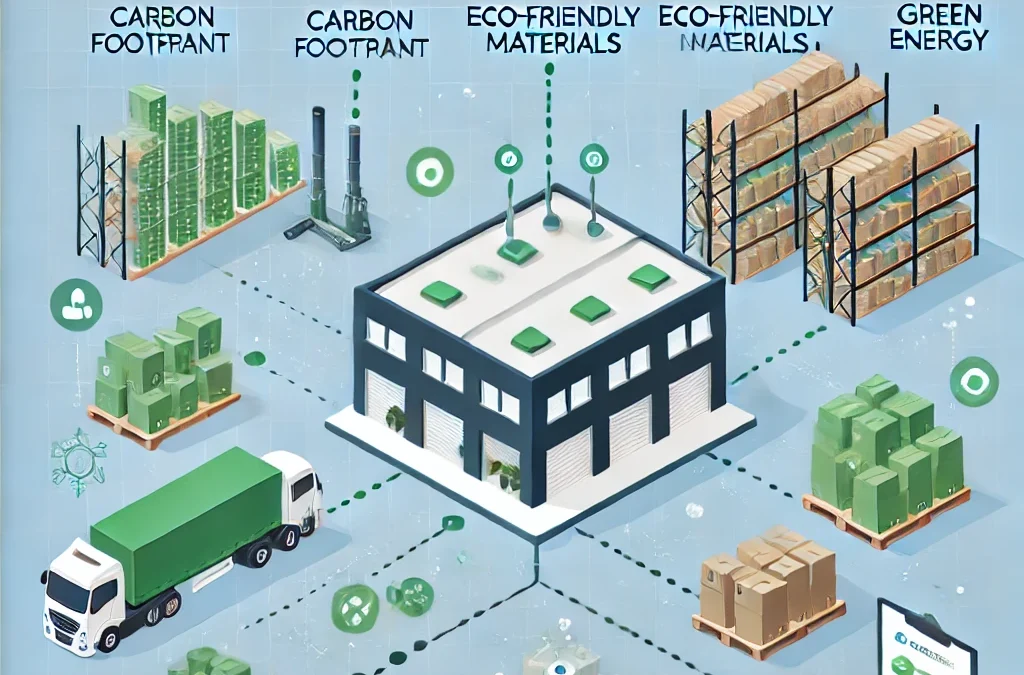
Reducing a supply chain's environmental footprint is rarely a single decision — it is the sum of routing choices, inventory policies, sourcing criteria, and fleet composition, each optimized historically for cost and speed with sustainability treated as a secondary constraint, if considered at all. As emissions reporting and procurement requirements tighten, that secondary status is becoming untenable, and operations research is increasingly the tool used to bring sustainability into the primary objective function alongside cost and service level.
Reducing the environmental footprint of a supply chain touches routing, inventory, sourcing, and fleet decisions at once. Prescriptive analytics is increasingly the layer that ties those decisions together.
§ 02Dynamic routing for lower emissions
Logistics is one of the largest contributors to transport-related emissions, and a meaningful share of that comes from routing inefficiency rather than total distance travelled. Static route plans don't account for real-time traffic, weather, or partial loads, all of which affect fuel consumption per delivery. Dynamic routing systems that ingest live traffic and sensor data can adjust routes continuously, and — because they learn from completed trips — improve their fuel-efficiency estimates over time rather than relying on fixed assumptions.
§ 03Sourcing and inventory as sustainability levers
Inventory optimization has traditionally meant balancing holding costs against stockout risk, with little visibility into the emissions embedded in sourcing and storage decisions. Incorporating supplier-level carbon data and transportation emissions into the same optimization that sets inventory levels and storage locations doesn't require abandoning cost efficiency — it means treating emissions as another constraint the model satisfies alongside cost, which often surfaces sourcing changes that were cost-neutral but had gone unconsidered.
§ 04Carbon tracking that prescribes, not just reports
Most carbon accounting in supply chains is retrospective — useful for reporting, less useful for changing what happens next. Real-time emissions tracking across each stage of the supply chain becomes more valuable when paired with prescriptive recommendations: a flagged increase in a lane's emissions intensity can trigger a suggested mode switch or schedule adjustment before the next shipment, rather than appearing as a line item in next quarter's report.
A related lever is collaborative logistics — pooling transport capacity across organisations to fill trucks that would otherwise run partially empty. The optimization challenge is matching compatible shipments and partners at the right time, which is where network-level analytics add value beyond what any single company's routing system can see.
§ 05Electrified and autonomous fleets
Electric and autonomous vehicles are central to lower-emission logistics, but deploying them effectively is its own optimization problem: battery range constrains routing, charging infrastructure has to be positioned against actual usage patterns, and duty cycles need to account for charging downtime in ways diesel fleets never required. Fleet optimization tools that explicitly model these constraints — rather than applying conventional routing logic to electric vehicles — are what determine whether an EV fleet transition delivers its expected efficiency gains.