Logistics vs. Mobility: Two Optimization Problems That Increasingly Overlap
Logistics moves goods; mobility moves people. The two fields optimize for different objectives — but in dense urban environments, they increasingly compete for the same road space and the same data.

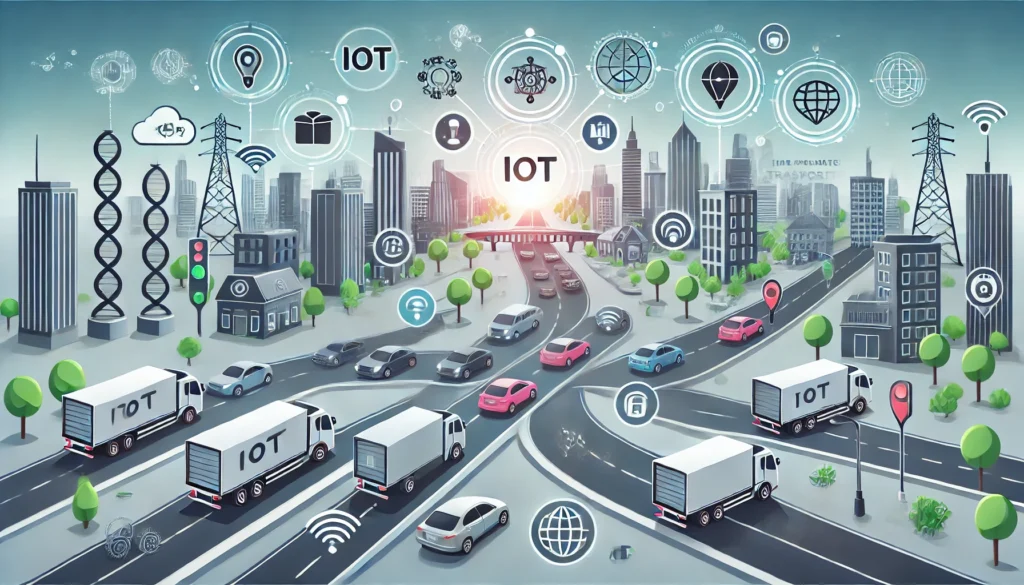
Logistics and mobility are often used interchangeably in discussions of transportation, but they describe distinct systems with different objectives. Logistics covers the planning and movement of goods — transportation, warehousing, inventory, packaging — optimized primarily for cost and delivery time. Mobility covers the movement of people — public transit, ride-hailing, personal vehicles, and the infrastructure that supports them — optimized for accessibility, convenience, and increasingly, sustainability.
The distinction matters because the two fields use different data, serve different stakeholders, and historically have been planned independently. That separation is becoming harder to maintain in dense urban environments, where goods and people compete for the same finite road space.
Logistics moves goods; mobility moves people. The two fields optimize for different objectives — but in dense urban environments, they increasingly compete for the same road space and the same data.
§ 02Logistics: optimizing the movement of goods
The core challenge in logistics is designing delivery networks that move goods from origin to destination as efficiently as possible — choosing transport modes, routing around fluctuating fuel costs and traffic, and matching capacity to unpredictable demand. Machine learning applied to historical and real-time data has become standard for optimizing routes, inventory levels, and warehouse placement, with the objective generally framed around cost, delivery time, and increasingly, emissions per shipment.
§ 03Mobility: optimizing the movement of people
Mobility's central challenge is different: managing congestion and building public transit systems that are both efficient and accessible as urban populations grow. Mobility-as-a-Service platforms — which unify buses, trains, ride-hailing, and bike-share under one planning and payment layer — represent the current frontier, using real-time data to recommend the fastest or most sustainable combination of modes for a given trip. The optimization target here is accessibility and convenience for the traveller, not cost-per-unit moved.
§ 04Where the two systems collide
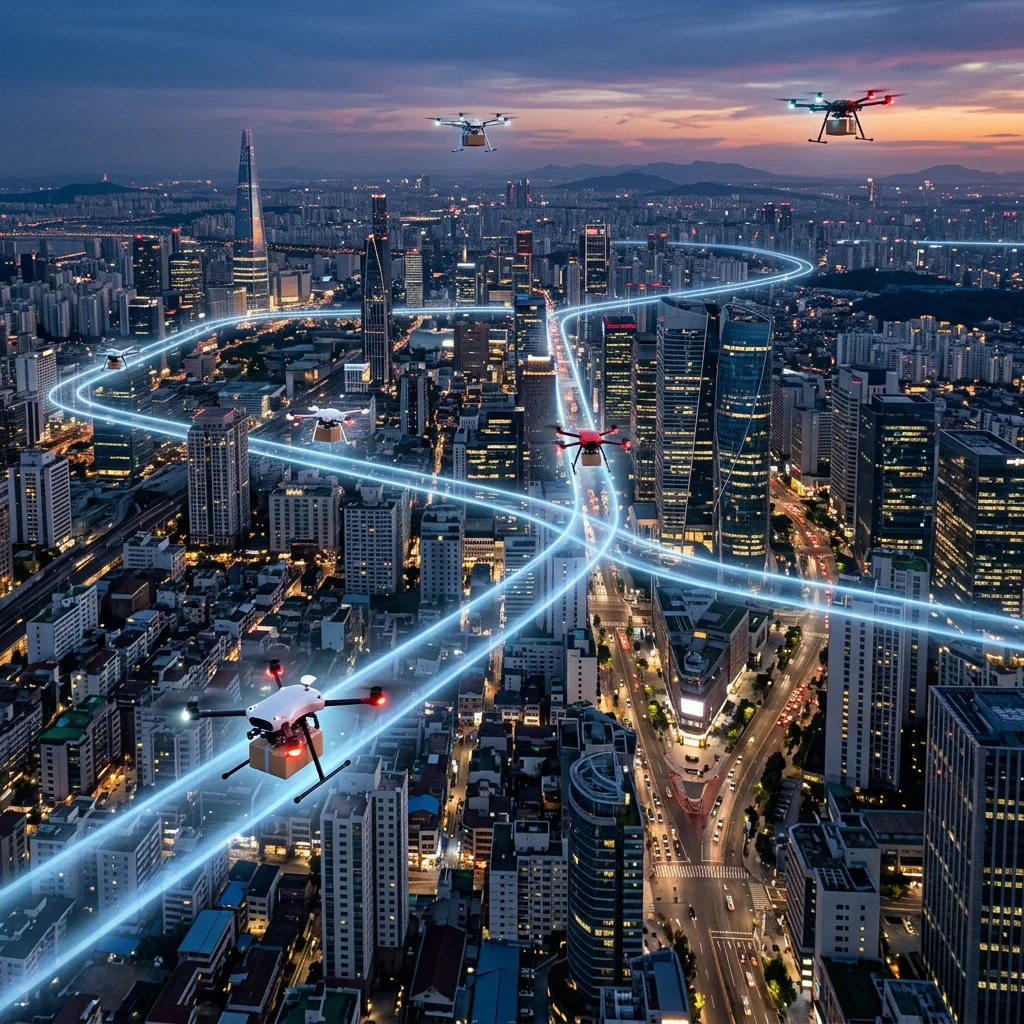
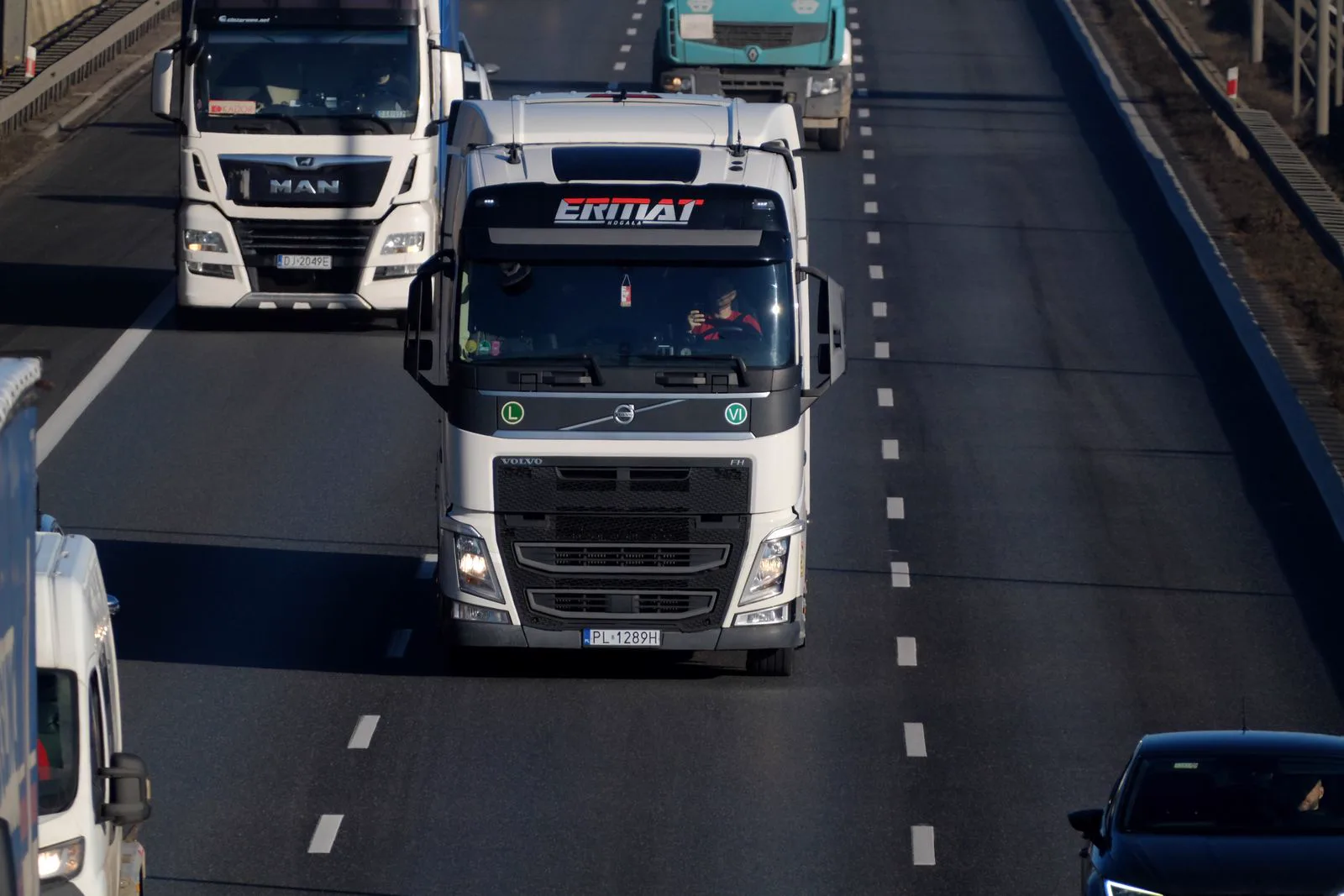
The friction point is urban freight. Delivery vehicles share road space with commuter traffic and public transit, and as e-commerce drives more frequent, smaller deliveries into cities, that shared space becomes a bottleneck for both systems simultaneously. Urban freight coordination platforms — which schedule and route delivery vehicles using the same real-time traffic and transit data that mobility platforms rely on — are one response, aiming to reduce the conflict rather than treating freight and passenger traffic as separate planning problems.
Smart city infrastructure extends this further: traffic signal systems that can distinguish between freight and passenger demand by time of day — prioritising deliveries during off-peak windows and commuters during peak hours — point toward a model where logistics and mobility are planned as one network rather than two, even though the underlying optimization objectives remain distinct.