The Operations Research Problems Behind Multimodal Urban Mobility
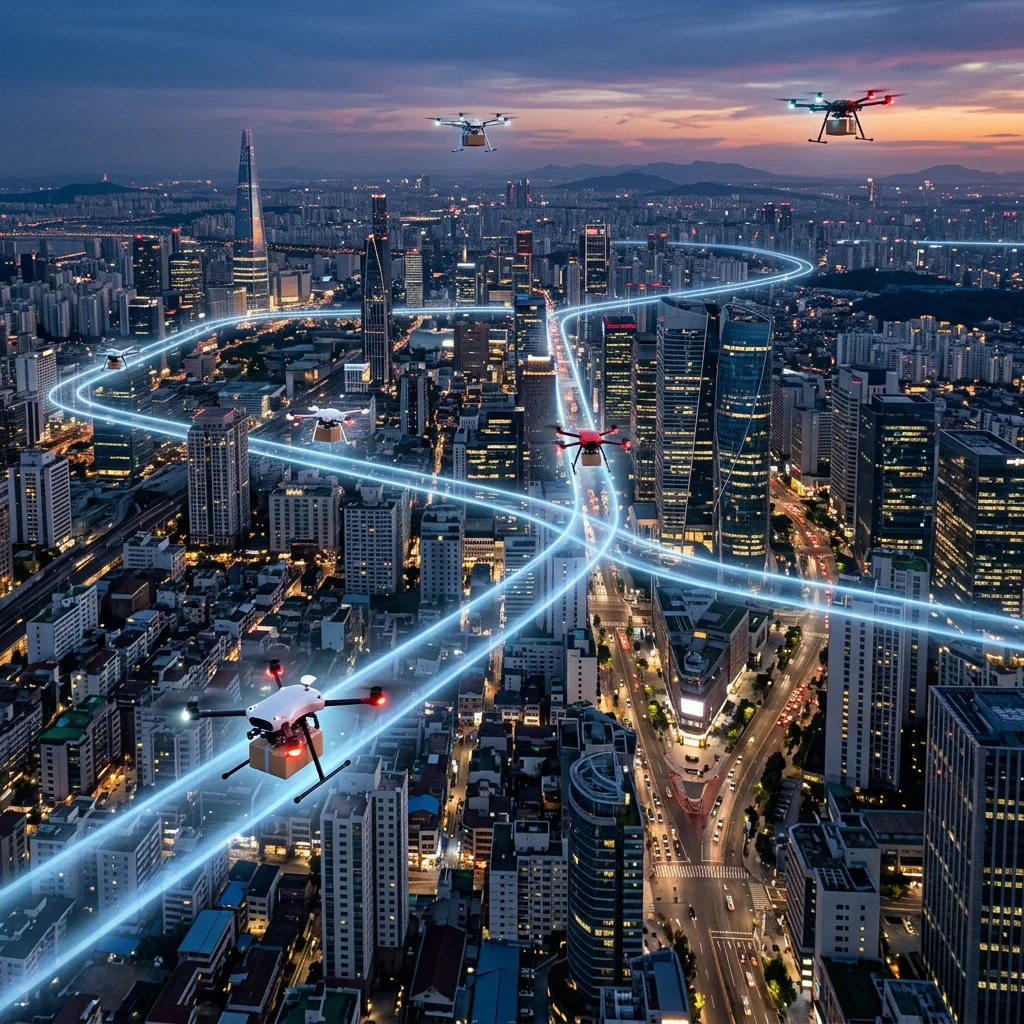
Buses, trams, bikes, ride-sharing, and now e-scooters and autonomous shuttles all operate within the same urban transport network. Coordinating them is a set of interlocking optimization problems, not one.

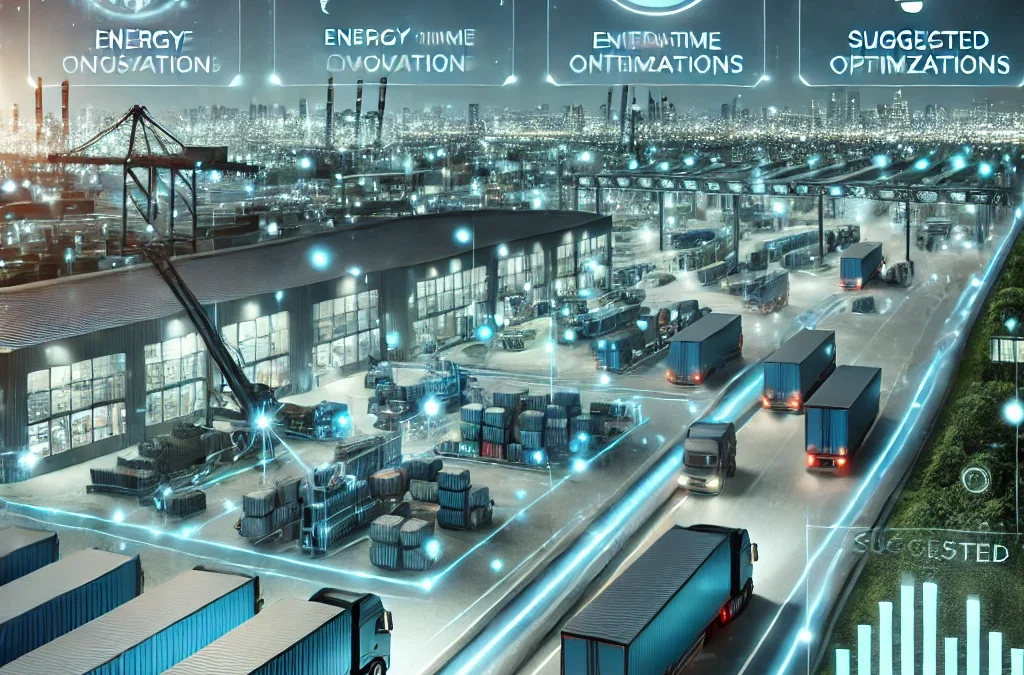
As cities add transport modes — bike-share, ride-hailing, e-scooters, autonomous shuttles — alongside buses, trams, and metro systems, the operational question shifts from managing each mode well to managing all of them as one network. That shift surfaces a set of operations research problems that don't arise when modes are planned independently.
Buses, trams, bikes, ride-sharing, and now e-scooters and autonomous shuttles all operate within the same urban transport network. Coordinating them is a set of interlocking optimization problems, not one.
§ 02Routing across modes that don't share a schedule
Finding the most efficient route across buses, trams, bikes, and ride-sharing — accounting for travel time, cost, and environmental impact together — is harder than routing within a single mode, because traffic conditions, vehicle availability, and even weather affect each mode differently. Routing engines that incorporate real-time predictions of traffic patterns, vehicle availability, and conditions across modes can recommend genuinely multimodal routes, rather than defaulting to whichever single mode is easiest to model.
§ 03Forecasting demand that doesn't follow a fixed pattern
Public transit demand varies by time of day, day of week, weather, and local events — and underestimating it leads to overcrowding while overestimating it wastes capacity. Forecasting models trained on historical usage alongside weather and event data allow transit authorities to adjust service frequency ahead of demand shifts rather than reacting to them, which is the difference between a transit system that absorbs a surge and one that is overwhelmed by it.
§ 04Allocating vehicles across a shared network
Scheduling vehicles across multiple modes means balancing availability, driver schedules, and maintenance needs against demand that shifts throughout the day — a constraint satisfaction problem that grows quickly with network size. Optimization systems that continuously monitor vehicle status and reallocate based on real-time demand can reduce idle capacity in one part of the network while easing shortages in another, without requiring a fixed allocation that's only correct on average.
§ 05Integrating new modes without disrupting existing ones
Adding e-scooters, ride-sharing, or autonomous shuttles to an existing network risks creating new congestion points if station or hub placement isn't evaluated against how the new mode will actually be used alongside existing ones. Simulation-based approaches that model the impact of a new mode before deployment — identifying placements that complement rather than compete with existing infrastructure — and that incorporate environmental impact assessment into the same evaluation, help new mobility services add capacity to the network rather than simply redistributing congestion.