From Reactive Inspection to Predictive Maintenance: AI and IoT for Pipeline Infrastructure
Pipeline corrosion and material wear are usually caught after the fact. Combining computer vision, IoT telemetry, and predictive models shifts maintenance from reactive repair to scheduled intervention — before failure, not after.

Water, gas, and oil pipelines degrade continuously under environmental and operational stress — corrosion, cracking, insulation wear — and for most networks, that degradation is still identified after it has progressed far enough to be visible during a scheduled inspection or, worse, after a failure. The cost of that lag is not just the repair itself but the emergency response, service disruption, and safety exposure that come with unplanned failures.
Pipeline corrosion and material wear are usually caught after the fact. Combining computer vision, IoT telemetry, and predictive models shifts maintenance from reactive repair to scheduled intervention — before failure, not after.
§ 02Why visual inspection alone falls short
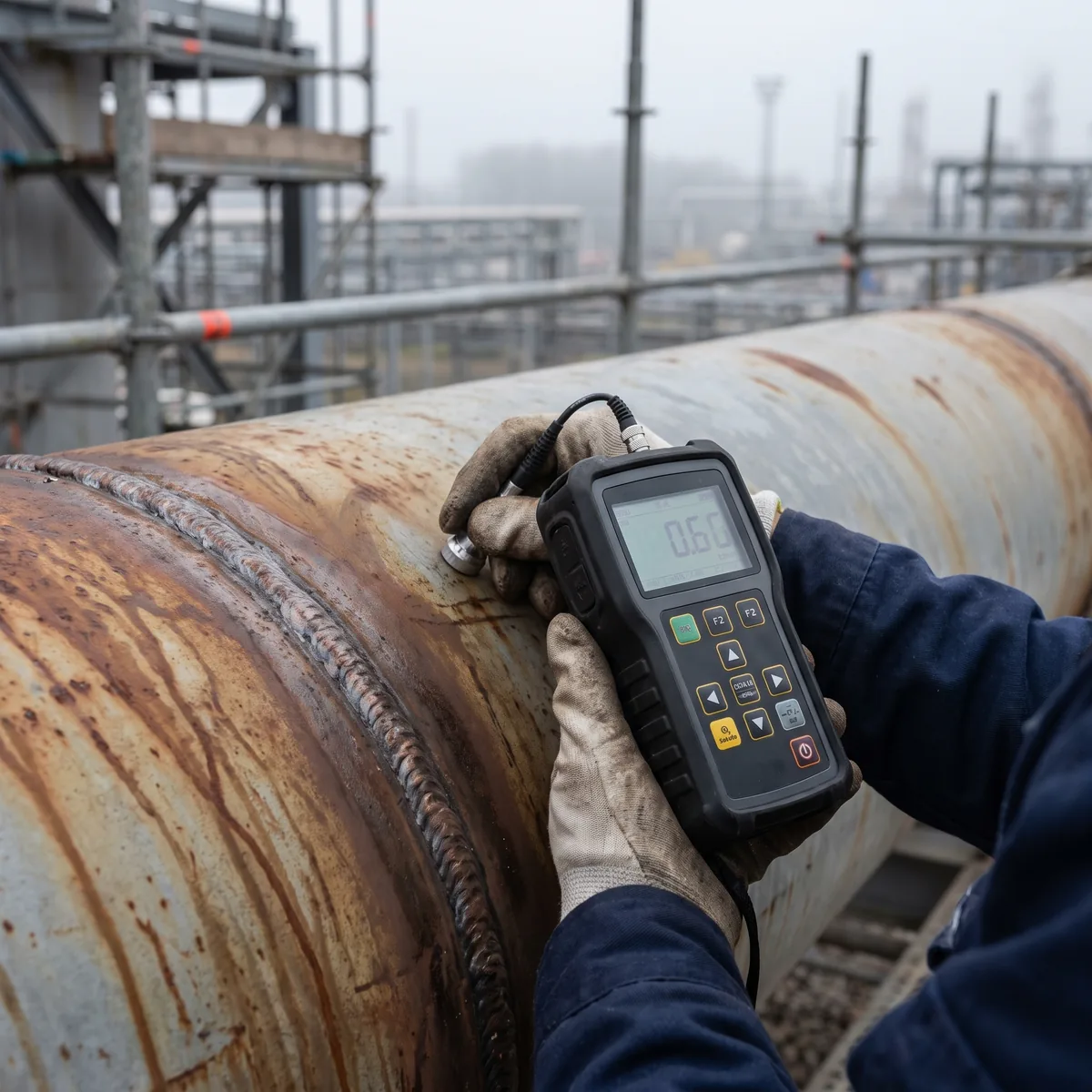
Manual and camera-based inspections answer the question 'is there visible damage right now?' but say little about the rate of change or the time remaining before a defect becomes critical. They are also typically siloed from sensor data — pressure, temperature, and stress readings are reviewed separately from imagery, which means operators rarely get a single picture of pipeline condition that combines what a defect looks like with how it is developing.
§ 03Combining vision, telemetry, and prediction
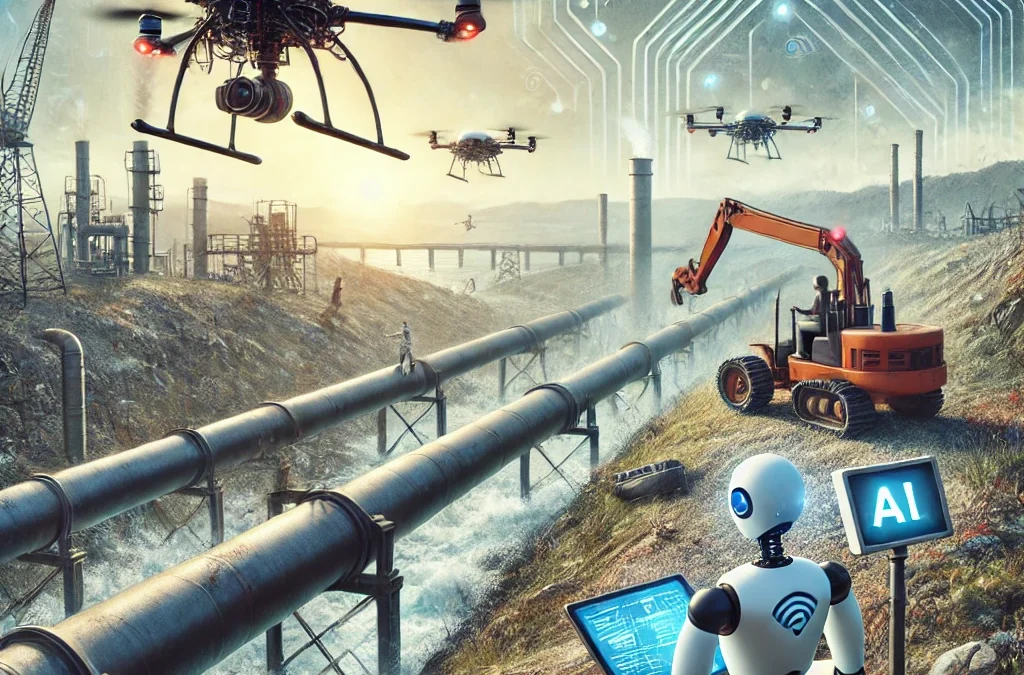
Computer vision models — convolutional networks and semantic segmentation applied to drone, robot, and fixed-camera footage — can detect corrosion, cracking, and insulation wear at a level of consistency manual review cannot match, including patterns like contact-point corrosion that are easy to miss visually. Paired with continuous IoT telemetry on pressure, temperature, and material stress, the same defect can be tracked over time rather than caught at a single inspection snapshot.
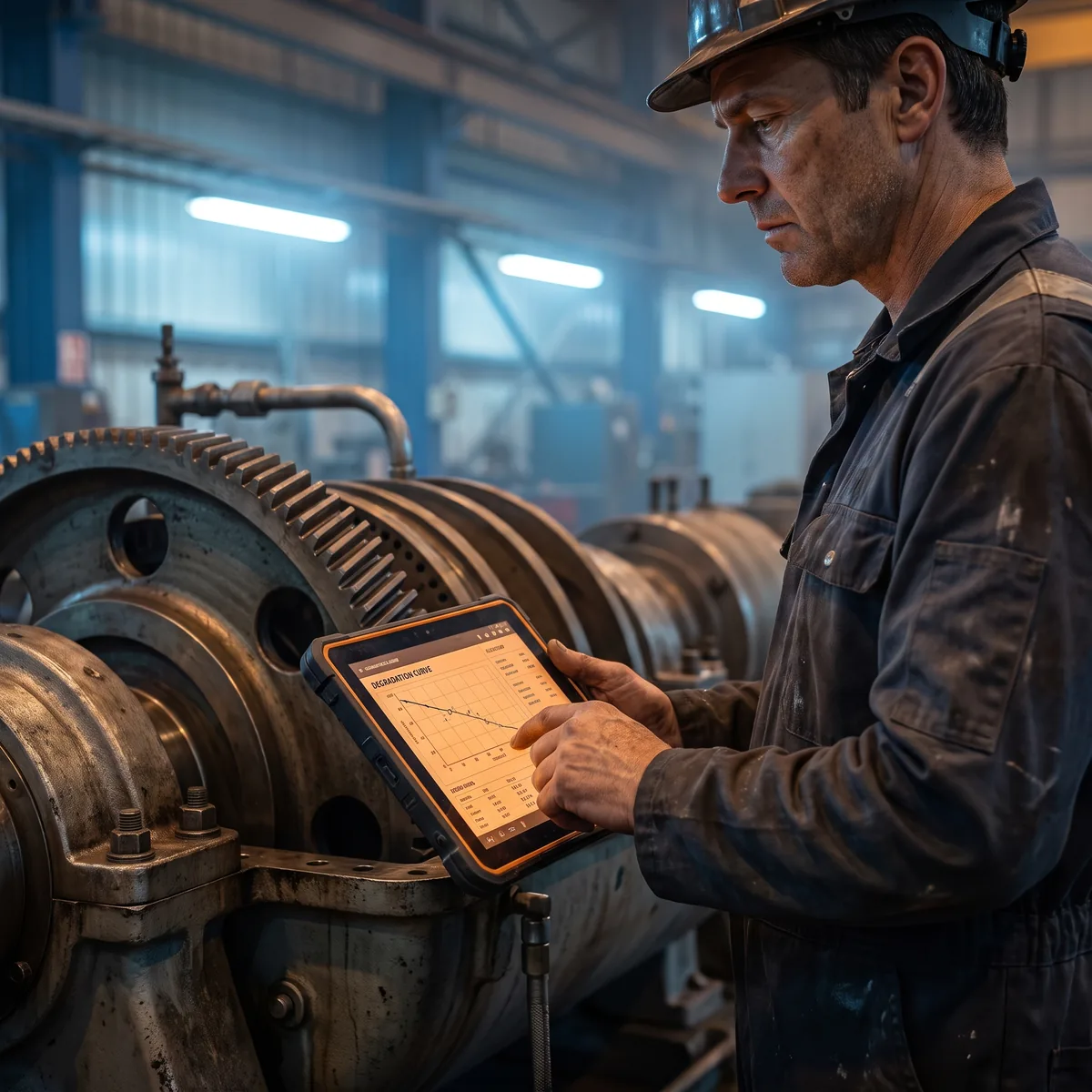
The predictive layer sits on top of both: machine learning models trained on historical inspection and repair outcomes estimate when and where degradation is likely to cross a threshold that requires intervention, and that estimate improves with every inspection cycle as more outcome data becomes available.
§ 04What changes operationally
The practical shift is from inspection schedules driven by calendar intervals to maintenance schedules driven by predicted condition — repairs happen during planned downtime windows rather than as emergency responses, and components are replaced closer to the end of their useful life rather than on a fixed cycle. For large networks, that shift compounds: fewer emergency callouts, less unplanned downtime, and maintenance crews spending less time in hazardous inspection environments because routine monitoring is handled by sensors and automated image review.