Railway Track Inspection: Rapid Defect Detection with AI-Based Image Processing
As rail networks carry more trains at higher speeds and heavier loads, manual track inspection struggles to keep pace. AI-based image processing and predictive maintenance close that gap — shifting track maintenance from reactive to scheduled.

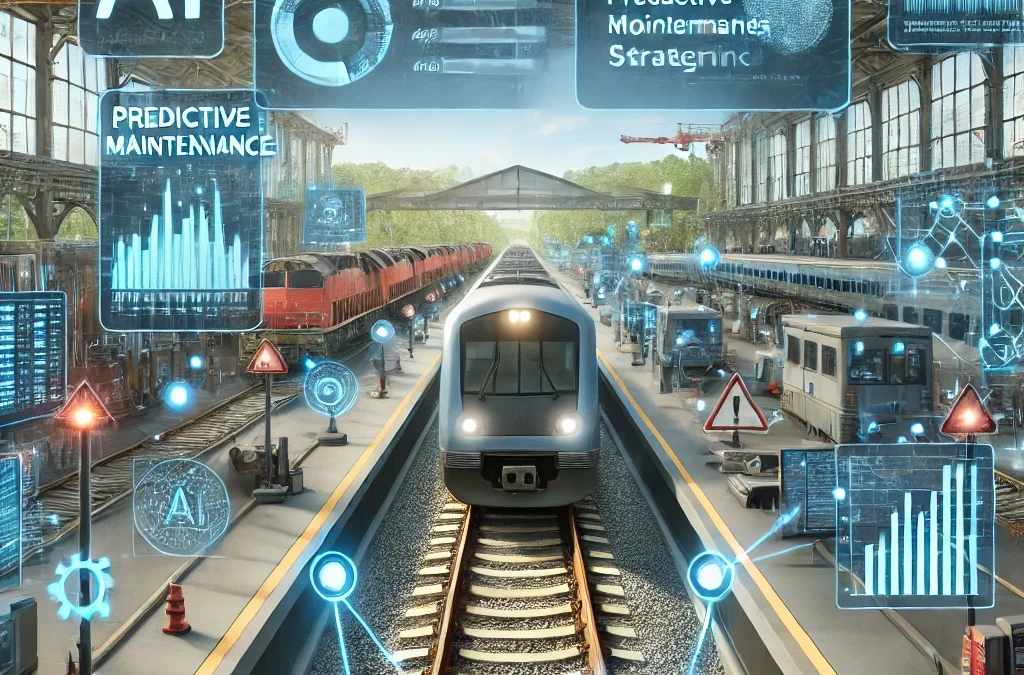
Rails, sleepers, fastenings, and ballast all degrade under load, and historically that degradation has been tracked through visual inspection — walking or slow-running surveys that record cracks, wear, and misalignment. As networks carry more trains, at higher speeds and heavier axle loads, the inspection frequency that standards require increases faster than the workforce available to perform it manually.
As rail networks carry more trains at higher speeds and heavier loads, manual track inspection struggles to keep pace. AI-based image processing and predictive maintenance close that gap — shifting track maintenance from reactive to scheduled.
§ 02The limits of manual inspection at scale
Manual inspection is also inherently a point-in-time assessment: it records the condition of a track section on the day of the survey, with no continuous record of how a defect is progressing between surveys. For RAMS performance — reliability, availability, maintainability, and safety — that gap matters, because the components most likely to cause service disruption are the ones developing fastest between scheduled checks.
§ 03Image-based defect detection in practice
AI-based image processing applied to onboard cameras and drone footage can screen track sections for cracks, wear, misalignment, and ballast degradation at a pace and consistency manual survey cannot match, flagging candidates for closer inspection rather than replacing inspection altogether. Because the same sections are imaged repeatedly over time, the system builds a record of how each defect is changing — the input predictive maintenance models need.
§ 04From detection to a maintenance schedule
The value of combining detection with prediction is in sequencing: instead of responding to defects as they are found, maintenance teams can plan interventions around scheduled downtime windows, prioritising sections where degradation is predicted to cross a safety threshold soonest. That reduces the two failure modes of fixed-interval maintenance — replacing components before they need it, and leaving others in service past the point where a defect should have been addressed — while also reducing the time inspection crews spend in hazardous trackside environments, since routine screening is handled by imaging rather than manual walk-throughs.