Shore Power and Cold Ironing: The Optimization Case for Electrifying Berths
Cold ironing lets ships cut engines at berth and plug into the grid instead — but deciding which berths to electrify first is a capital-allocation and grid-capacity problem, not just a wiring retrofit.

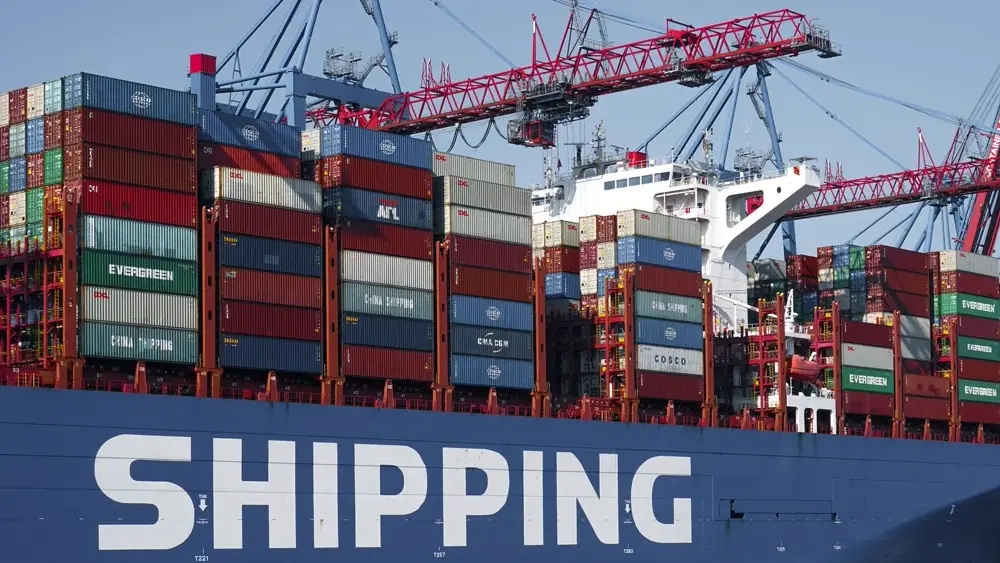
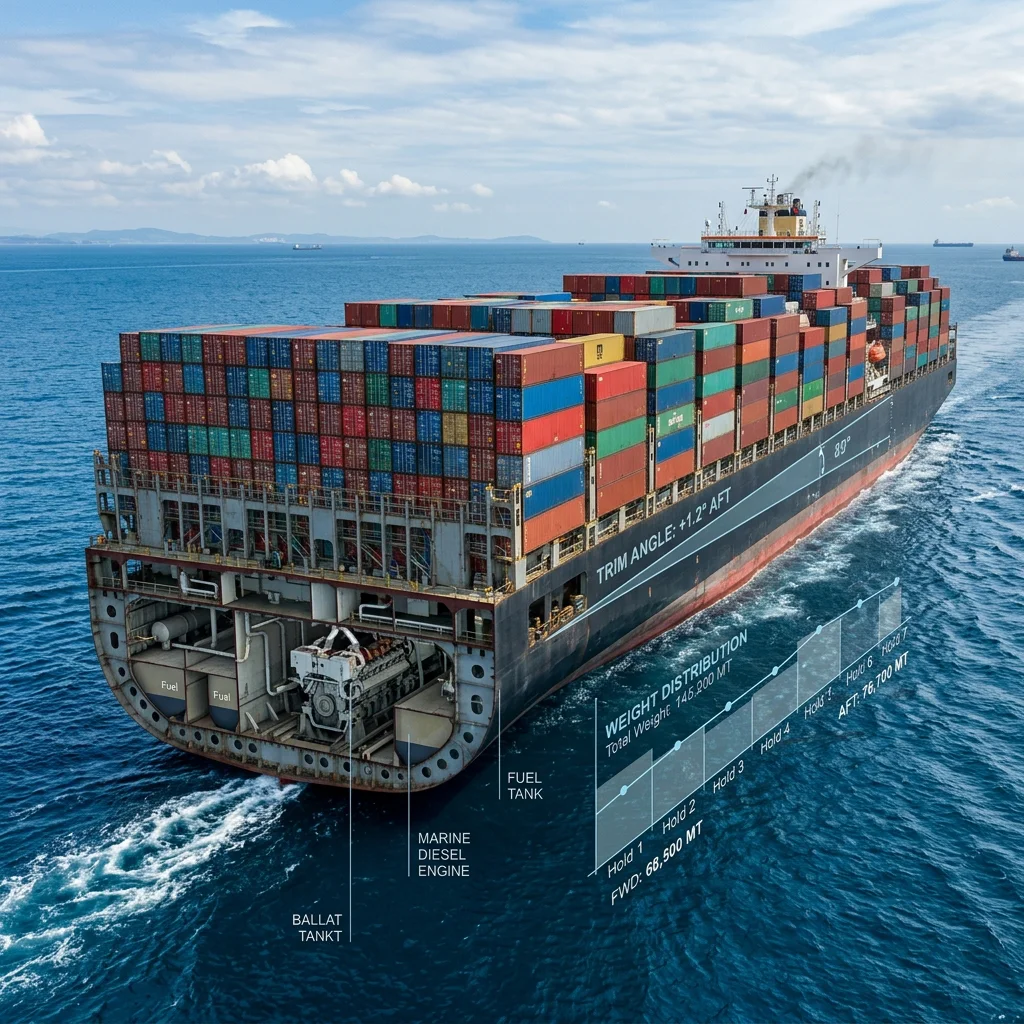
Cold ironing takes its name from steam-powered naval vessels: when a ship connected to shore power at dock, its onboard iron engines went cold. The practice has a modern equivalent — container ships, tankers, and cruise vessels plugging into the local electrical grid while berthed instead of running auxiliary diesel generators to keep lights, refrigeration, and onboard systems running. For port cities, the difference is immediate: no diesel exhaust, no engine noise, for as long as the vessel is tied up.
Framed as an engineering project, shore power looks like a retrofit: install high-voltage cabling, transformers, and a vessel-side connection point at a berth. Framed as an optimization problem, it looks different — a capital allocation and scheduling exercise across a port's entire berth portfolio, constrained by grid capacity and vessel compatibility, where getting the sequencing wrong means expensive infrastructure that sits idle.
Cold ironing lets ships cut engines at berth and plug into the grid instead — but deciding which berths to electrify first is a capital-allocation and grid-capacity problem, not just a wiring retrofit.
§ 02The berth-selection problem hiding inside the engineering project
Not every berth needs electrifying at once, and budgets rarely allow it even if they did. Ports sequencing shore power investment are really solving a portfolio problem: which berths see the calling pattern — container, cruise, or tanker traffic with the highest share of shore-power-compatible vessels — that pays back the capital fastest. Electrifying a berth that mostly serves older, non-equipped tonnage is capital sitting idle.
The second constraint is electrical, not nautical. A single large container ship can draw several megawatts at berth — comparable to a small industrial facility. Sizing shore-side infrastructure against the wrong number, whether the nameplate count of berths or an optimistic average draw, either strands capacity or triggers a costly local grid upgrade. The sizing problem looks a lot like fleet EV-charging depot planning: what matters is realistic peak simultaneous draw across berths, not the sum of theoretical maximums.
§ 03Why compatibility, not capacity, is usually the binding constraint
Shore-to-ship power connections follow a joint IEC/ISO/IEEE standard (80005), but not every vessel calling at a given port is yet equipped to use it. A fully electrified berth still runs on diesel auxiliary power for any call from a non-equipped ship — and retrofitting a vessel's own electrical system is a shipowner decision a port authority doesn't control. In practice, the binding constraint on a shore power programme's return is usually the compatible share of actual calling traffic, not the electrical capacity installed.
That compatibility gap is closing under regulatory pressure rather than pure economics — the EU's AFIR and FuelEU Maritime rules and California's At-Berth Regulation are pushing fleet-side retrofits on set timelines. Where a port has sequenced electrification against its highest-compatibility berths first, reported at-berth emissions reductions typically fall in the 60–95% range for NOx and particulate matter, since the comparison is against auxiliary diesel engines that would otherwise run continuously for the length of the call.