AI-Driven Vessel Trim and Stowage Optimization: Cutting Fuel Costs Without Cargo Delay
How a vessel is loaded directly governs its hydrodynamic resistance and fuel consumption at sea — Stowage planning algorithms now balance metacentric height, port discharge order, and trim to save 5-8% fuel per voyage.
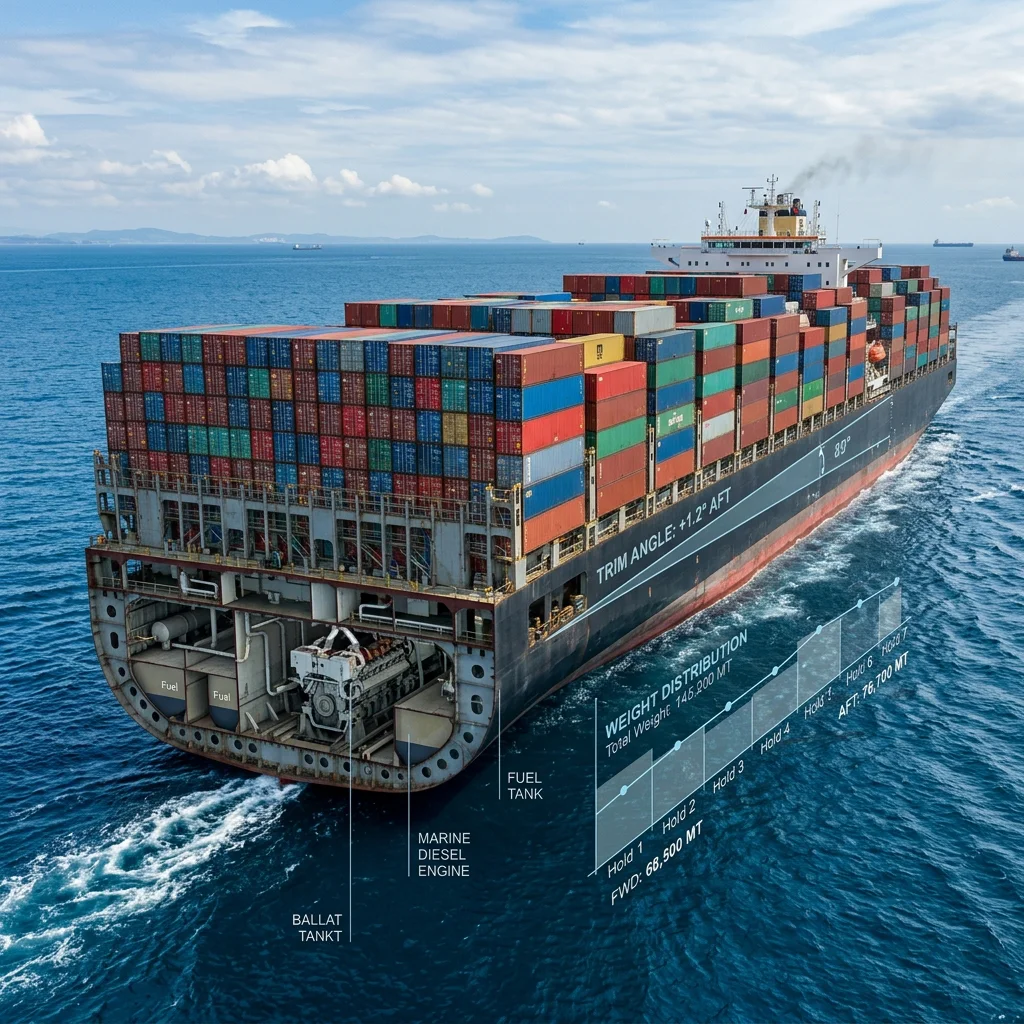
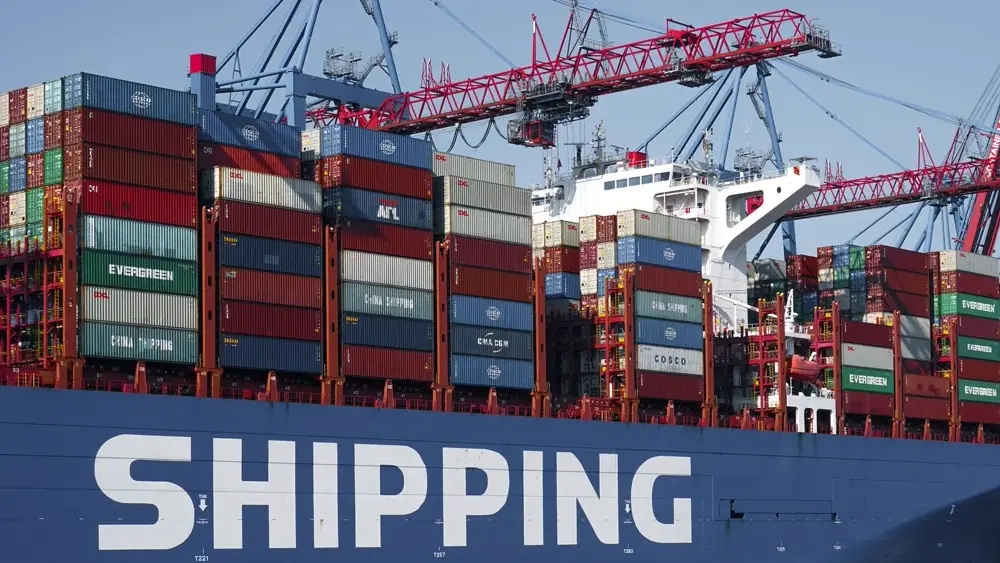
Container vessel stowage planning has traditionally focused on physical safety and port discharge sequencing — ensuring heavier containers sit at the bottom of the hold and cargo destined for the next port is easily accessible without overstowing.
However, vessel stability and trim (the longitudinal inclination of the ship in the water) exert a massive impact on hydrodynamic resistance. Even a slight optimal trim angle can reduce hull drag significantly, translating to thousands of dollars in fuel savings on long-ocean transits.
How a vessel is loaded directly governs its hydrodynamic resistance and fuel consumption at sea — Stowage planning algorithms now balance metacentric height, port discharge order, and trim to save 5-8% fuel per voyage.
§ 02Integrating Hydrodynamics into Stowage Solvers
Modern stowage optimization algorithms combine combinatorial slot-assignment models with hydrodynamic drag surfaces. By evaluating thousands of container stacking permutations during loading, the solver identifies configurations that maintain optimal floating trim across all legs of the voyage.
This AI-driven approach prevents unnecessary ballast water intake, preserves structural bending moments, and delivers 5% to 8% direct fuel reduction without adding a single minute to port crane operations.