Predictive Rail Monitoring: Turning Track-Side Sensor Data Into Maintenance Decisions
Acoustic, vibration, and geometry sensors each catch a different class of track defect and each have a different false-positive profile — the value is in fusing them into one maintenance decision, not running them as three parallel alarms.

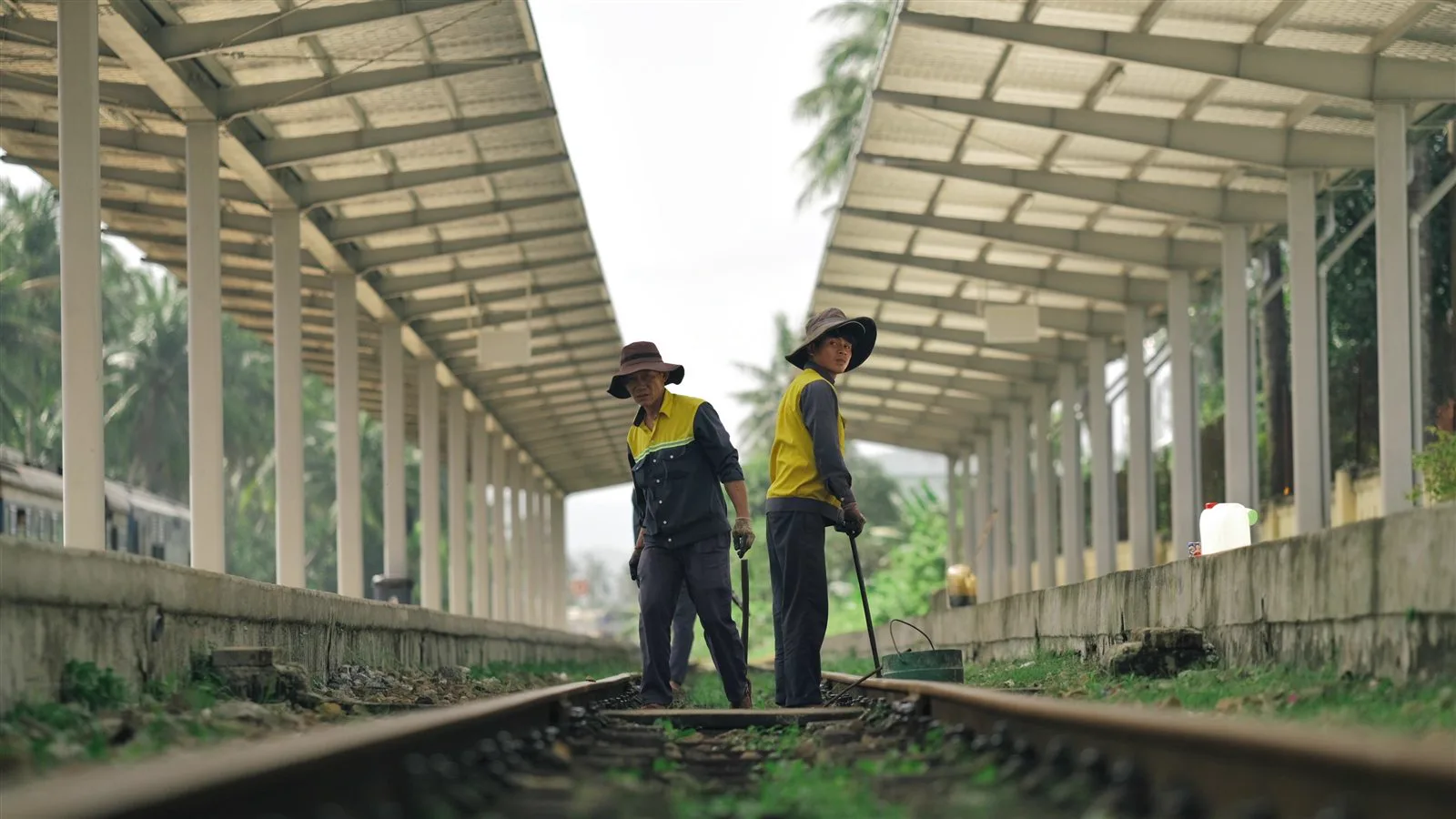
Monitoring and inspection solve related but distinct problems. Inspection — walking surveys, image-based scans of the kind that screen track sections for visible cracks and misalignment — captures condition at a point in time. Monitoring is the continuous layer between inspections: sensors that watch a track segment every time a train passes over it, catching a defect's rate of change rather than a single snapshot. Neither replaces the other; the gap between scheduled inspections is exactly where monitoring earns its keep.
Predictive rail monitoring adds the forecast. Instead of flagging a defect only once a threshold is crossed, it uses that rate of change to estimate how fast the defect is progressing, so a repair can be scheduled before it turns into a failure. That depends on reading the right sensors together, which is where most of the difficulty lies.
Acoustic, vibration, and geometry sensors each catch a different class of track defect and each have a different false-positive profile — the value is in fusing them into one maintenance decision, not running them as three parallel alarms.
§ 02Three sensing modalities, three different failure signatures
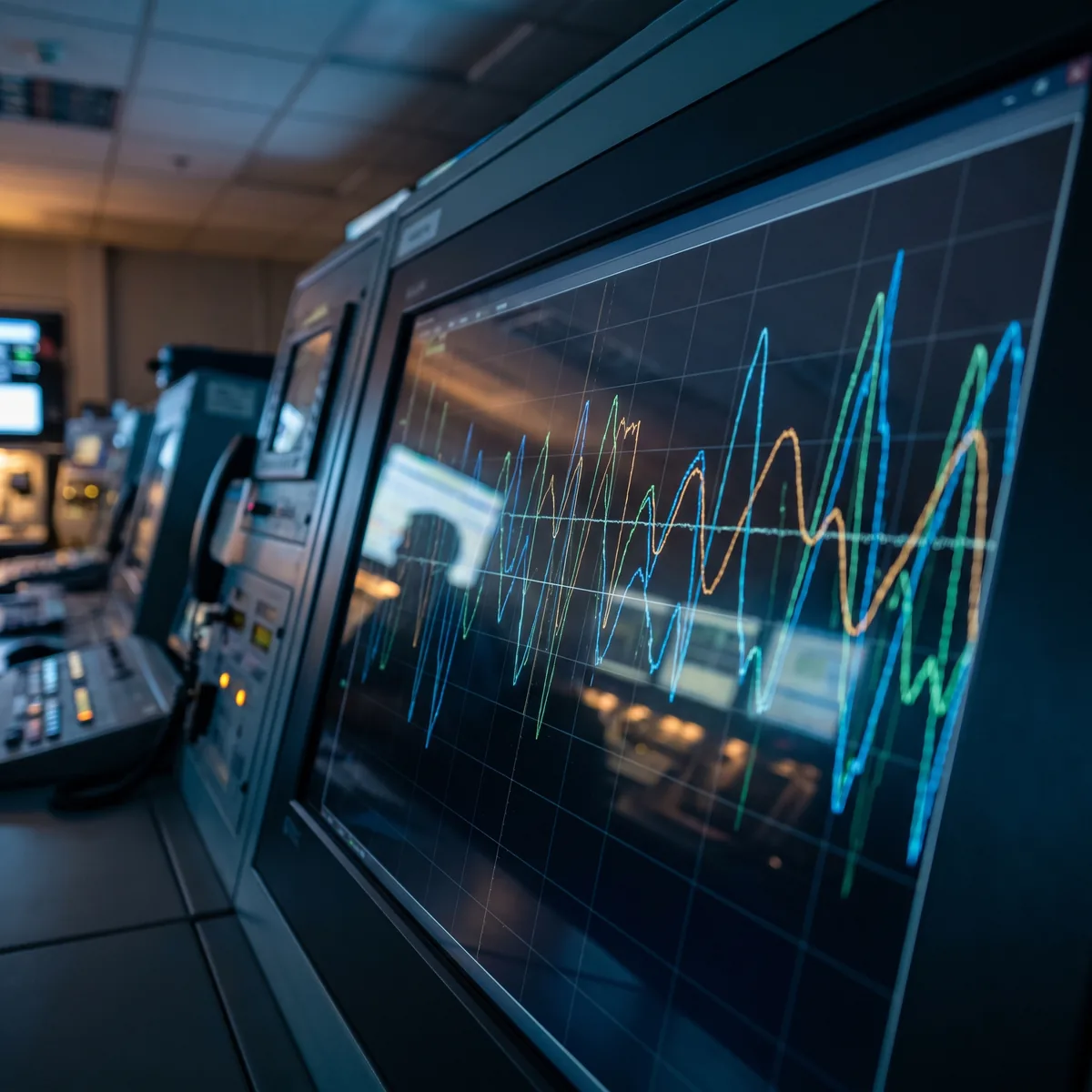
Acoustic sensors listening to the wheel-rail interface pick up the distinctive signature of rail cracking and corrugation — sound frequencies a camera-based system simply cannot see, since the defect is subsurface before it becomes a visible crack. Axle-box and onboard vibration sensors respond to a different class of defect: geometry irregularities, joint gaps, and localised dips that jolt a passing wheel in a repeatable, measurable pattern. Track geometry cars and onboard inertial sensors measure a third, slower-moving quantity entirely — gauge, alignment, and cant deviating from design tolerance over months rather than showing up in a single pass. Each modality is effectively blind to the failure modes the other two are built to catch.
§ 03Fusing modalities instead of running them in parallel
Run independently, each sensing modality carries its own false-positive profile — a vibration spike from a routine joint versus one from a developing defect look identical to a vibration sensor alone, for instance, but not once acoustic data from the same location is layered in. Fusing the three streams for the same track segment does two things a single modality cannot: it cross-confirms a flagged anomaly against a second, independent physical signal before it reaches a maintenance planner, and it narrows down which defect type is actually developing, since each modality's involvement (or absence) in a flagged event is itself diagnostic information.
§ 04From a data stream to a maintenance decision
A fused sensor stream only creates value once it feeds a decision rule, not a dashboard. In practice that means routing a flagged segment into one of a small number of concrete actions — dispatch a walking inspection to confirm before scheduling repair, impose an interim speed restriction while a repair is queued, or simply log the segment for closer attention at the next scheduled maintenance window, depending on how fast the fused signal suggests the defect is progressing. The monitoring layer's job is not to replace a maintenance planner's judgement; it's to make sure that judgement is applied to the handful of segments that actually need it, out of thousands that don't.