Reverse Logistics: Turning Returns Into a Competitive Advantage
Returns are usually treated as a cost to be minimised and processed somewhere at the back of the warehouse. Handled as a network and a set of decisions, they can recover more value, free up space and tell the business why products come back.

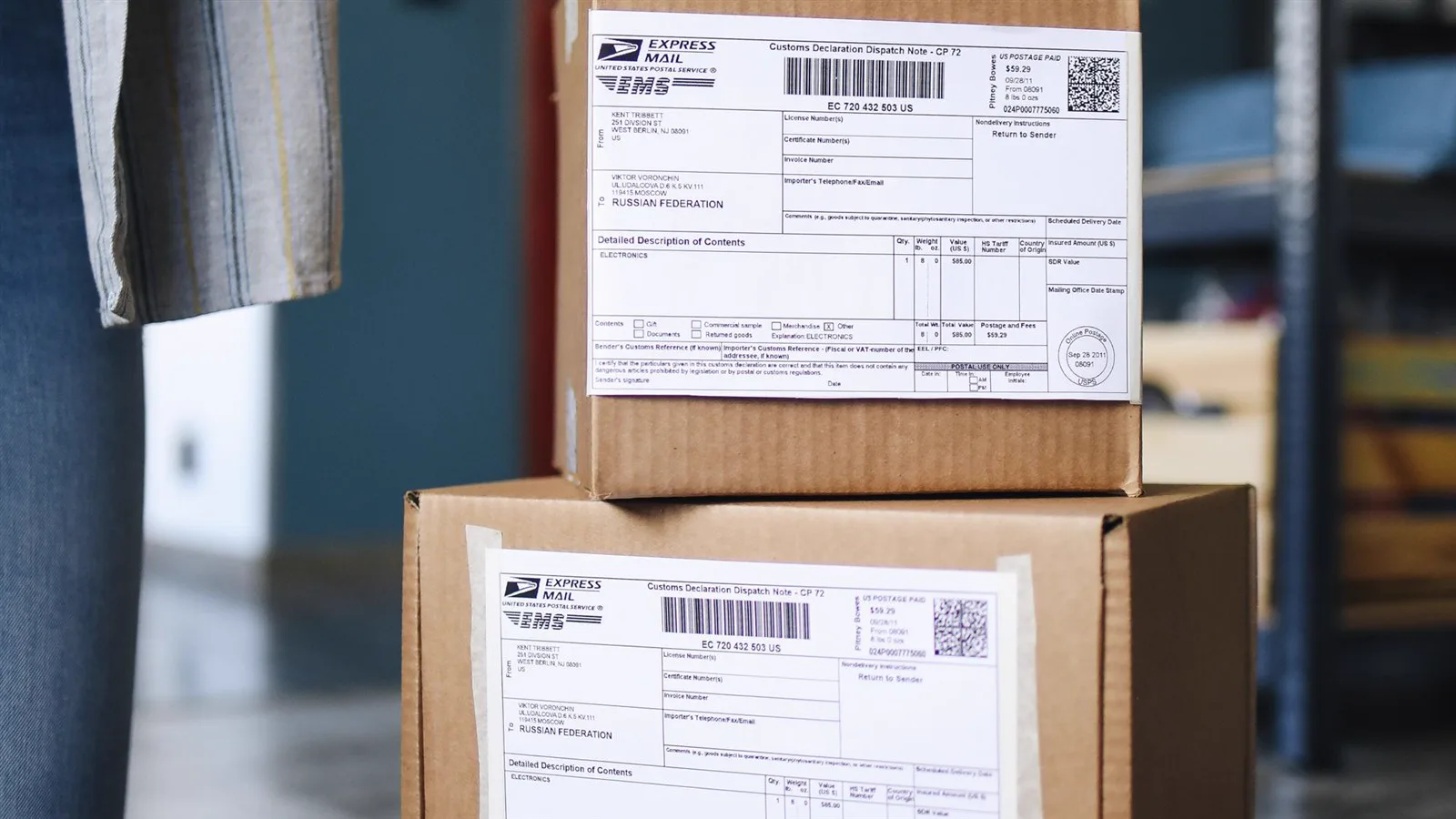
Forward logistics gets most of the attention: getting products to customers quickly and cheaply. Returns flow the other way, in small and unpredictable quantities, in mixed condition and often with incomplete information. In many organisations they are handled by a small team in a corner of the warehouse, with the goal of getting through the backlog.
Yet returns carry value that decays with time. A product that could be resold at full price this month may only be worth a discount next season. Treating returns as a set of decisions, about where each item goes and how quickly, turns a cost centre into a source of recovered margin and useful information.
§ 01Every Return Is a Decision
Each returned item has several possible outcomes: back to stock for sale as new, sale as open-box or refurbished, repair, return to the supplier for credit, sale through a secondary channel, recycling, or disposal. The best outcome depends on the product's condition, its value, current demand, the cost of processing and transport, and any agreements with suppliers.
Making this choice quickly is where most value is won or lost. Items that wait weeks in a returns cage lose value and take up space. Clear disposition rules, applied at the first point of inspection, are the foundation of an efficient returns process.
§ 02Designing the Return Network
Where returns are processed is a network design question. Sending all returns to a central facility gives scale and specialised staff but adds transport, often for items that will end up back in a regional warehouse anyway. Processing returns close to where they arise, in stores or regional sites, shortens the loop but spreads expertise thin.
A model of the return network compares these set-ups using volumes by region and product type, transport costs, processing capacity and the value decay of each category. The answer often differs by category: high-value electronics may justify a specialised central centre, while simple apparel returns are better restocked locally.
§ 03Inside the Warehouse
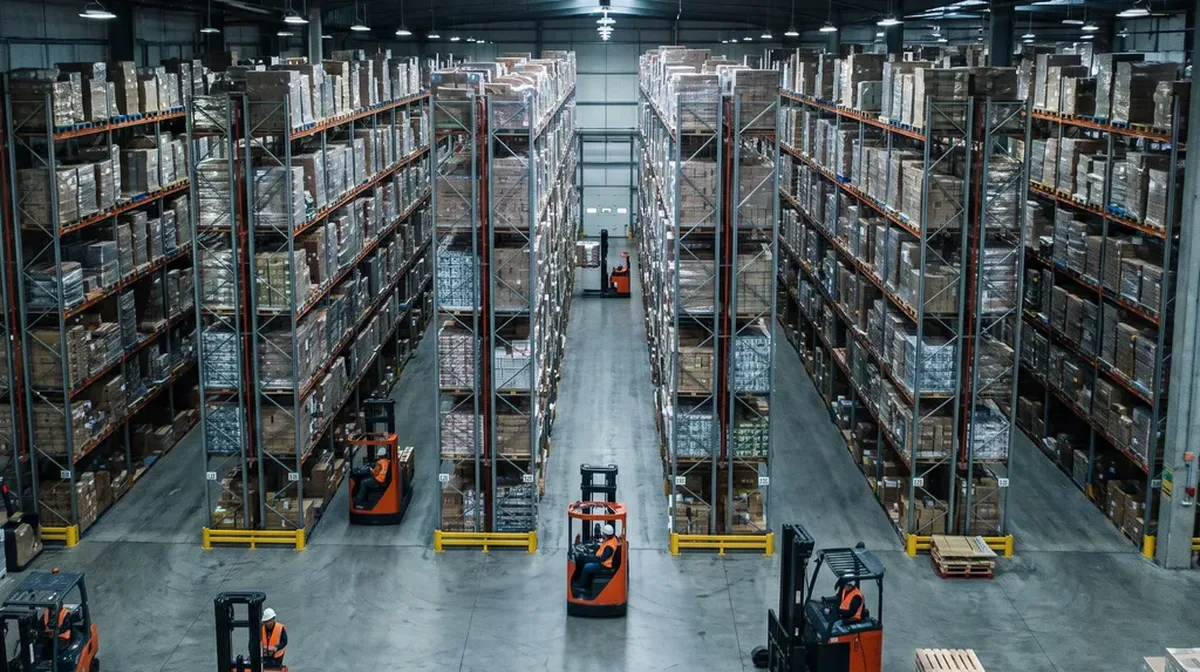
Returned items do not fit forward processes well. They arrive one by one, need inspection and often new packaging, and their final storage location is not known until they are graded. Warehouses that put returns back into the main pick locations quickly keep them available for sale; those that store them separately for later handling often create a hidden stock that is hard to sell.
Slotting and putaway logic should treat graded returns as normal inbound stock, sending them to locations that suit their expected demand. Capacity planning should include returns peaks, which typically follow sales peaks by a few weeks.
§ 04Learning From Returns
Returns are also information. Return reasons, by product, supplier, channel and customer segment, point to sizing problems, damage in transit, misleading descriptions or quality issues. Linking returns data to product and logistics data can show, for example, that a particular packaging type leads to more damage claims, or that a product returns more often from one warehouse than another.
Predicting returns has practical uses too. If a share of a product's sales is likely to come back, forecasting that flow helps plan processing capacity and avoids over-ordering replacement stock.
§ 05Where to Start
Begin by measuring how long returned items take from receipt to final disposition, and what share of their value is recovered by category. These two figures usually reveal where the process stalls. Then define disposition rules for the largest categories and apply them at first inspection.
Predictim Warehousing supports the inside-the-building part of this work: zoning, storage tiers and putaway that can treat graded returns as ordinary inventory, and bottleneck diagnostics that show where returns processing slows the rest of the operation.
Not ready for a project? Ask an engineer your question by email. No call needed.
Ask a question