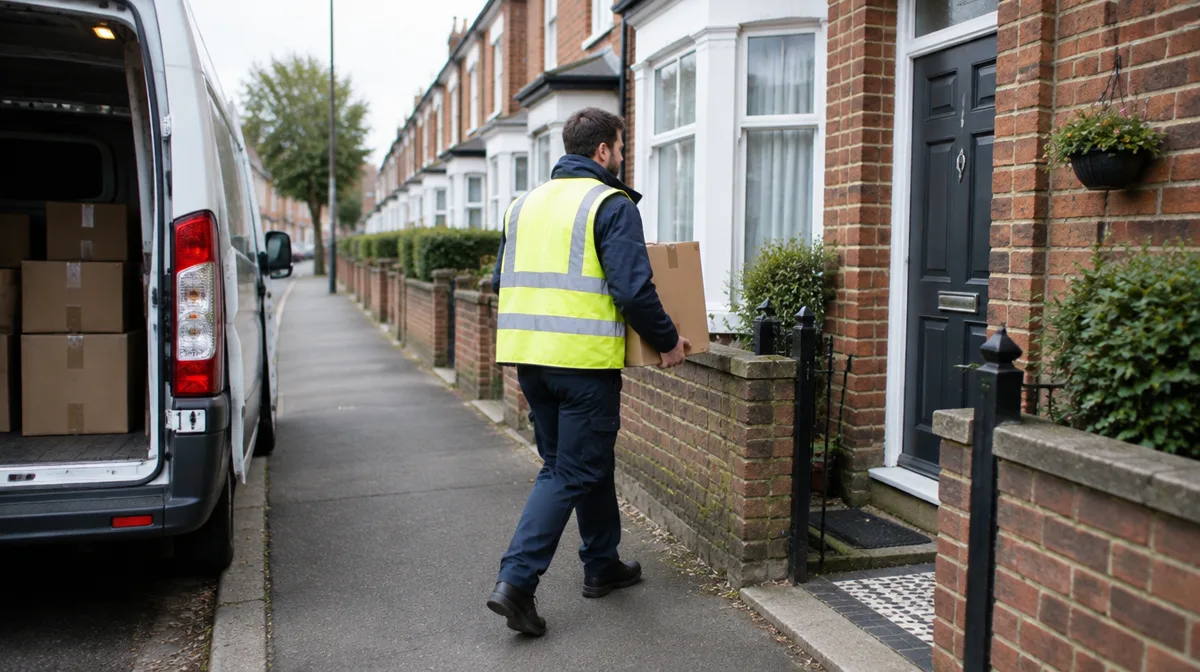
Shelf-Life-Aware Routing: Prioritizing Deliveries by Spoilage Risk, Not Just Distance
For fresh food, the shortest route is not always the best one. A delivery that arrives an hour later may lose a day of shelf life at the store. Routing that accounts for product freshness and temperature exposure can reduce waste without adding vehicles.

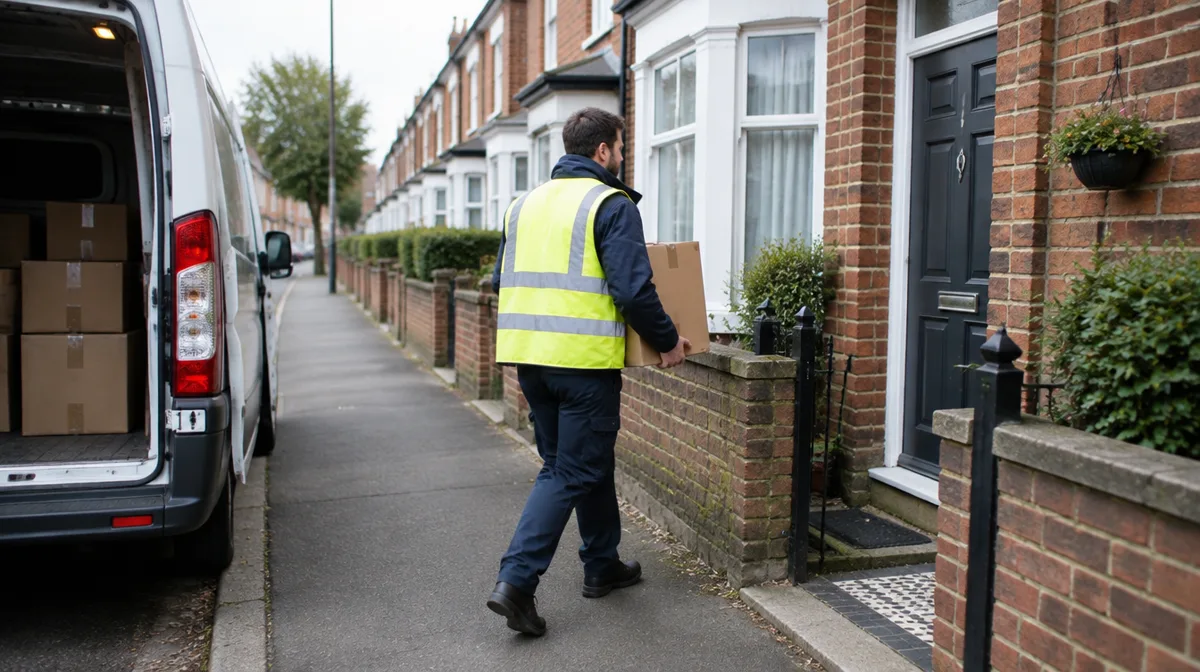
Delivery routing usually minimises distance, time or cost, subject to vehicle capacity and customer time windows. For most goods that is the right objective. For fresh food, chilled ready meals, flowers and some pharmaceuticals, another factor matters: the product is losing quality throughout the trip, and how much it loses depends on time and temperature.
A route that is ten minutes shorter but leaves sensitive products on a warm van for an extra hour may cost more in waste than it saves in fuel. Shelf-life-aware routing brings product freshness into the routing decision.
§ 01How Freshness Decays
Perishable products lose quality at a rate that depends strongly on temperature. Food scientists describe this with kinetic models: at a higher temperature, quality falls faster. For chilled products, a short time above the target range can use up a noticeable part of the remaining shelf life.
Time also matters by itself. A product with five days of life left when it leaves the depot reaches the store with less, and the store needs enough days to sell it. Products that arrive with too little remaining life are marked down or thrown away. So the value of a delivery depends on when and in what condition it arrives, not just on whether it arrives.
§ 02Bringing Freshness Into the Model
In a shelf-life-aware routing model, each delivery has a freshness cost that grows with time spent in the vehicle and with exposure to temperatures outside the target range. The route's objective then includes both transport cost and the expected loss of product value. Highly perishable deliveries are pulled earlier in the route, while robust items can wait.
Vehicles with several temperature zones, chilled, frozen and ambient, add capacity constraints per zone. Door openings at each stop let warm air in, which affects the products still on board, so the number and duration of stops before a sensitive delivery also count.
§ 03Data That Makes It Work
The model needs a few inputs that many distributors already have in some form: shelf-life data per product category, remaining life of each batch at dispatch, the temperature profile of the vehicles, and stop durations. Temperature loggers in vehicles, increasingly common for compliance, provide the real exposure data that turns rough assumptions into measured ones.
Customer requirements matter too. Many retailers set a minimum remaining shelf life on delivery. Turning those requirements into explicit constraints prevents routes that look efficient but produce rejected deliveries.
§ 04Picking and Dispatch Order
The decision starts before the van leaves. Which batch of a product is picked for which customer, first-expired-first-out or matched to the customer's sales speed, decides how much life each delivery carries. A fast-selling store can take a batch with less remaining life; a slow one needs fresher stock.
Combining batch allocation with routing gives the most benefit: the fresher batches go to customers at the end of long routes or with slower sales, and the older batches to customers early on the route who will sell them quickly.
§ 05Where to Start
A useful first analysis looks at markdowns and waste at customer sites, traced back to the delivery routes and times that supplied them. If waste is concentrated on certain routes or stop positions, freshness-aware routing has room to help. Replaying past routes with a freshness cost added shows how the order of stops would change.
Predictim Routing computes multi-stop routes with time-window constraints across heterogeneous fleets, adapting to live traffic. Product freshness can be added as part of the objective, so that the plan reflects what arrives on the shelf, not just how far the van travelled.
Not ready for a project? Ask an engineer your question by email. No call needed.
Ask a question