Cybersecurity for Industrial Control Systems in Ports and Utilities
Cranes, pumps, valves and switchgear are run by control systems that were built for reliability, not for a connected world. Securing them is different from securing office IT, and the people who operate them need different training. Here is what sets industrial control security apart.

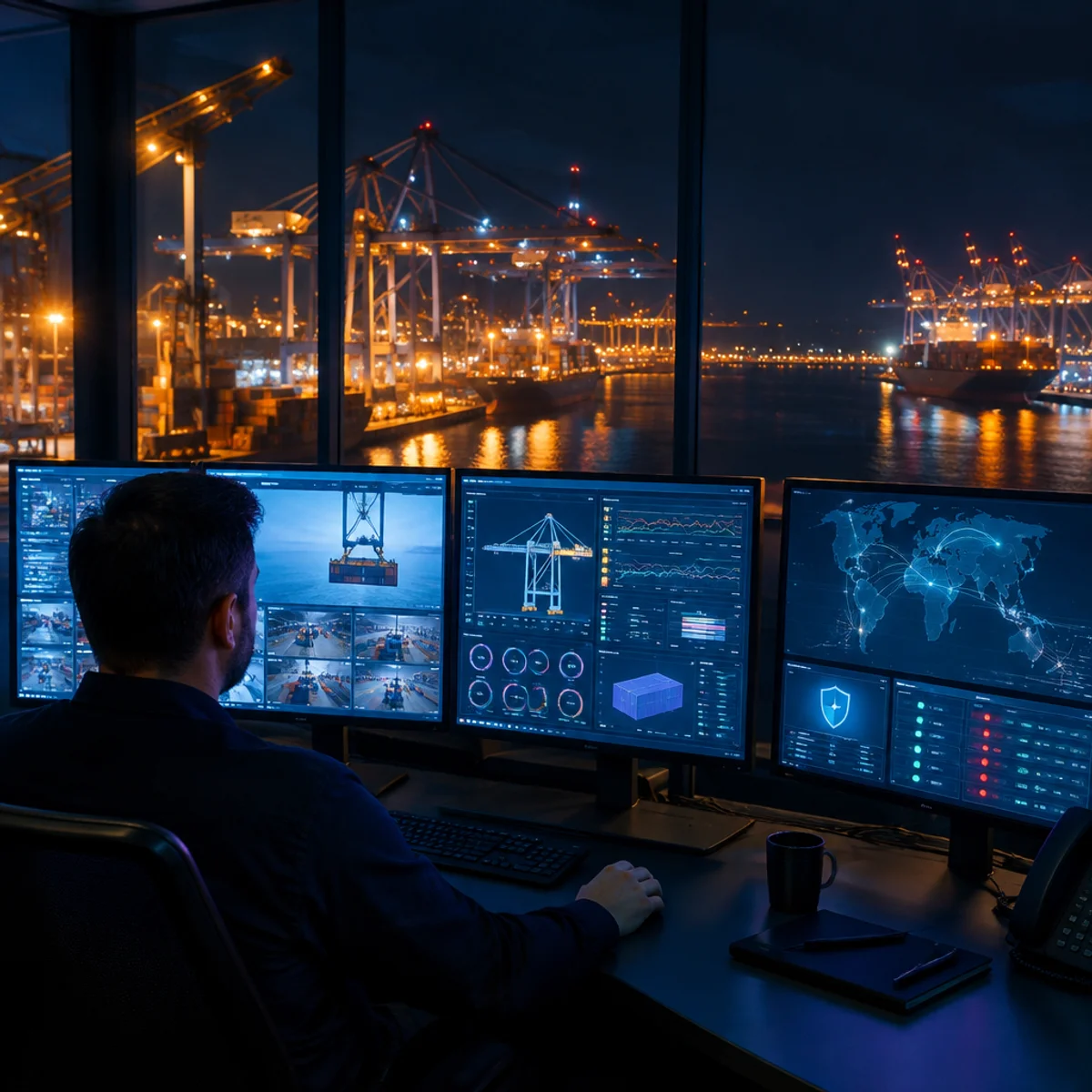
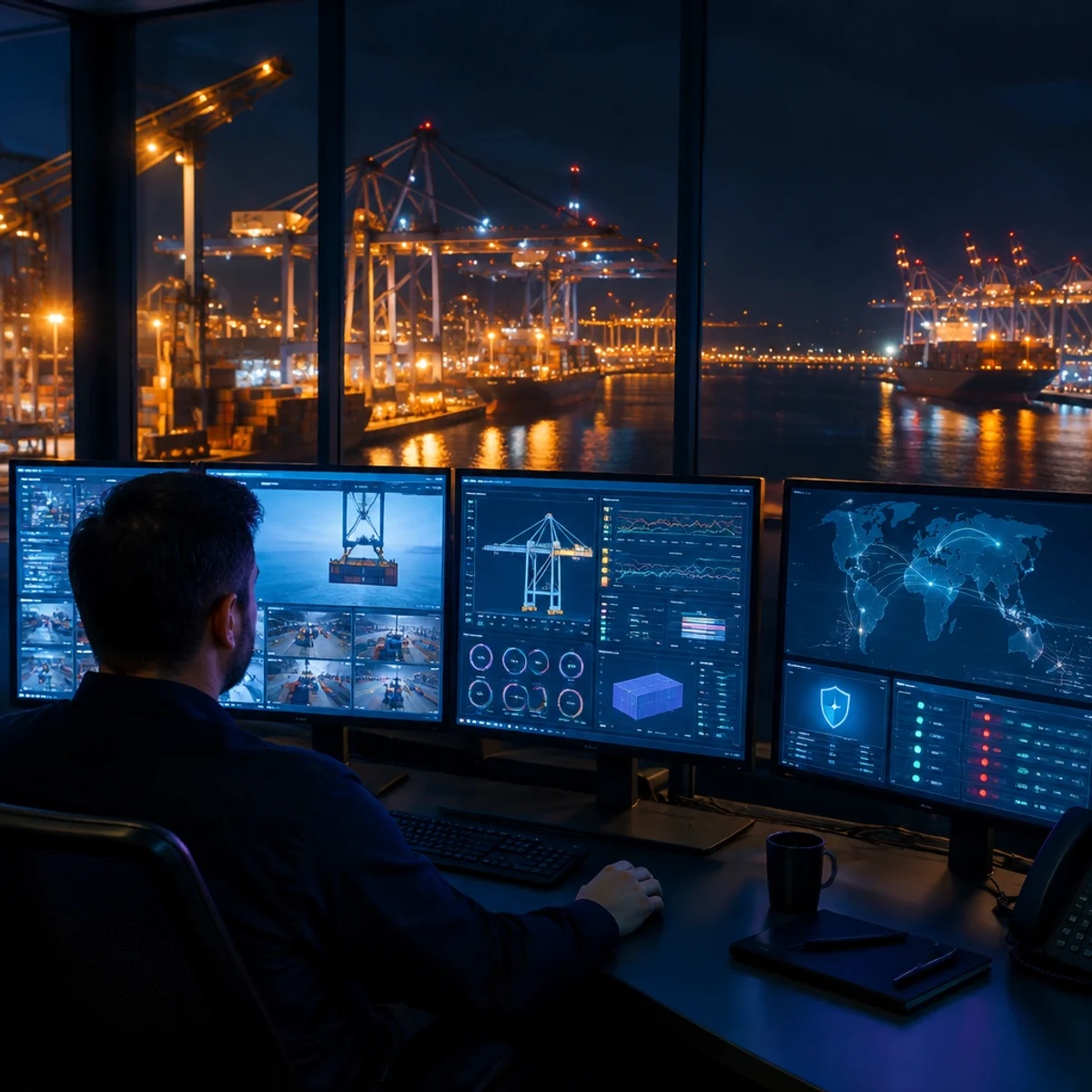
Behind every container crane, water pumping station, electrical substation and fuel terminal there is an industrial control system. Programmable logic controllers drive motors and valves, supervisory systems give operators a view of the process, and engineering workstations are used to change the logic. These systems were designed to run reliably for decades, often on isolated networks.
That isolation has largely disappeared. Remote maintenance, links to business systems, data collection for analytics and connections between port actors have joined control networks to the wider world. Securing them is now a core part of operating safely, and it differs from securing office IT in important ways.
§ 01Why Control Systems Are Different
In office IT, the usual priority is confidentiality, then integrity, then availability. In a control system, availability and safety come first. A pump that stops, a crane that moves unexpectedly or a breaker that opens at the wrong moment has physical consequences. Security measures that would be routine in an office, such as forced restarts for updates or aggressive network scanning, can disrupt a running process.
Lifecycles are long. A controller may run for fifteen or twenty years, and many older devices were not designed with authentication or encryption. Patching is constrained by the need for testing and planned downtime. So defence relies heavily on network architecture, monitoring and well-trained people rather than on keeping every device fully up to date.
§ 02Common Weak Points
A few weaknesses come up again and again in assessments. Remote access paths for vendors and maintenance contractors that are left open or poorly controlled. Flat networks where a compromised office computer can reach control devices directly. Shared or default passwords on engineering tools and devices. Removable media used to move files between networks. And limited visibility: many sites do not have a full inventory of what is connected to their control network.
In ports, the picture is complicated by the number of parties. Terminal operators, shipping lines, customs, pilots, utilities and service providers all connect to shared systems. A weakness at one of them can become a path into another.
§ 03Architecture and Monitoring
Standards such as the IEC 62443 series describe how to divide industrial networks into zones and control the conduits between them, so that a problem in one area cannot easily spread. Combined with secure remote access, strict control of removable media and an accurate asset inventory, segmentation removes many of the easiest paths.
Monitoring tools designed for industrial protocols can then watch for unusual commands or connections, such as a controller being reprogrammed outside a maintenance window. They are most useful when someone knows what normal looks like and can tell an alert from a routine engineering task.
§ 04People Are Part of the Control System
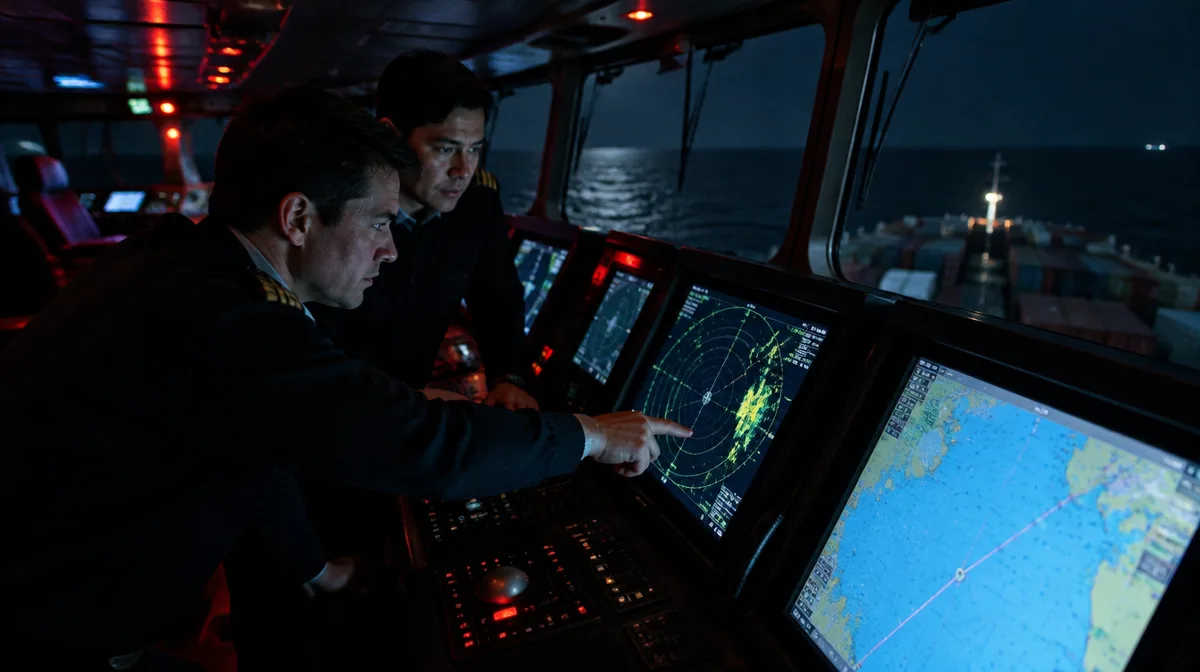
In many incidents, the decisive moments are human. An operator notices that the screen does not match what is happening in the yard. A technician decides whether to plug in an unknown laptop. A shift leader must choose between keeping the process running and isolating a system. These choices need practice, because there is no time to read a procedure for the first time during an incident.
That is why exercises matter. Running realistic scenarios in a safe environment lets operators, engineers and IT staff rehearse how to recognise unusual behaviour, how to switch to manual operation and how to coordinate with each other. It also shows where procedures are unclear before a real event tests them.
§ 05Where to Start
For most organisations, the first steps are well known: build an inventory of control assets and connections, map and tighten remote access, segment the control network from business systems, and agree on who decides what during an incident. Each of these reduces exposure without touching the running process.
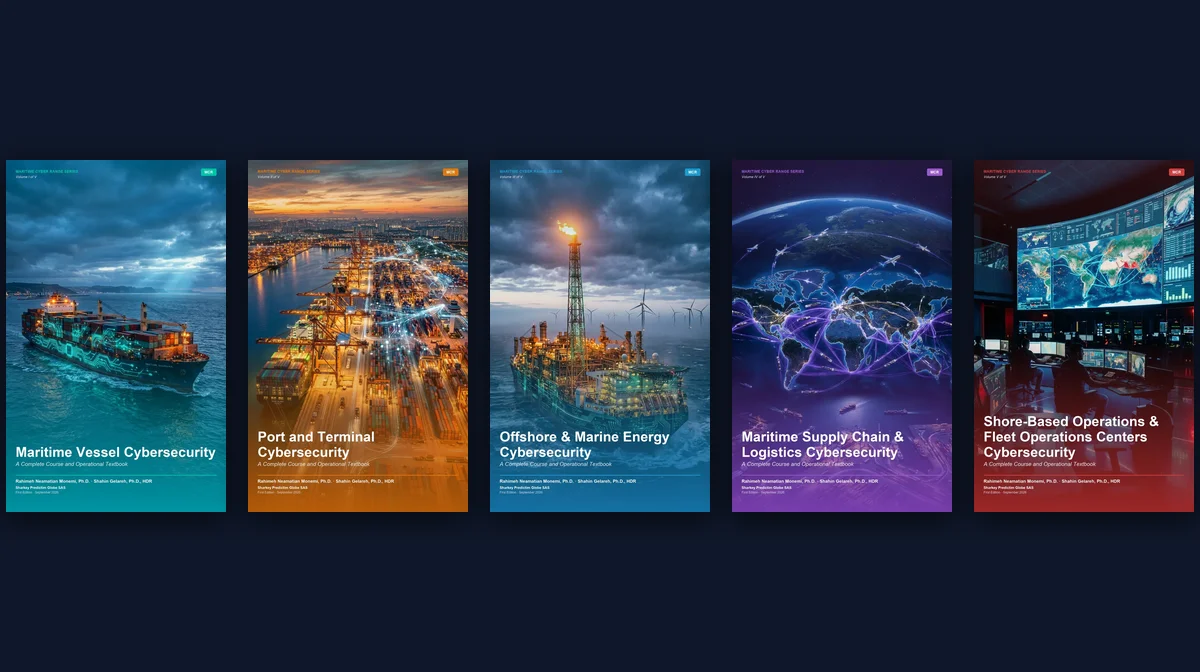
Training completes the picture. The Predictim Maritime Cyber Range covers vessel, port, shore, supply chain and offshore scenarios, and the Predictim Energy Cyber Range puts learners inside substations, control rooms and pipeline SCADA. Both give the people who run these systems a place to practise before it counts.
Not ready for a project? Ask an engineer your question by email. No call needed.
Ask a question