Just-in-Time Port Arrivals: Cutting Fuel Burn Through Better Scheduling
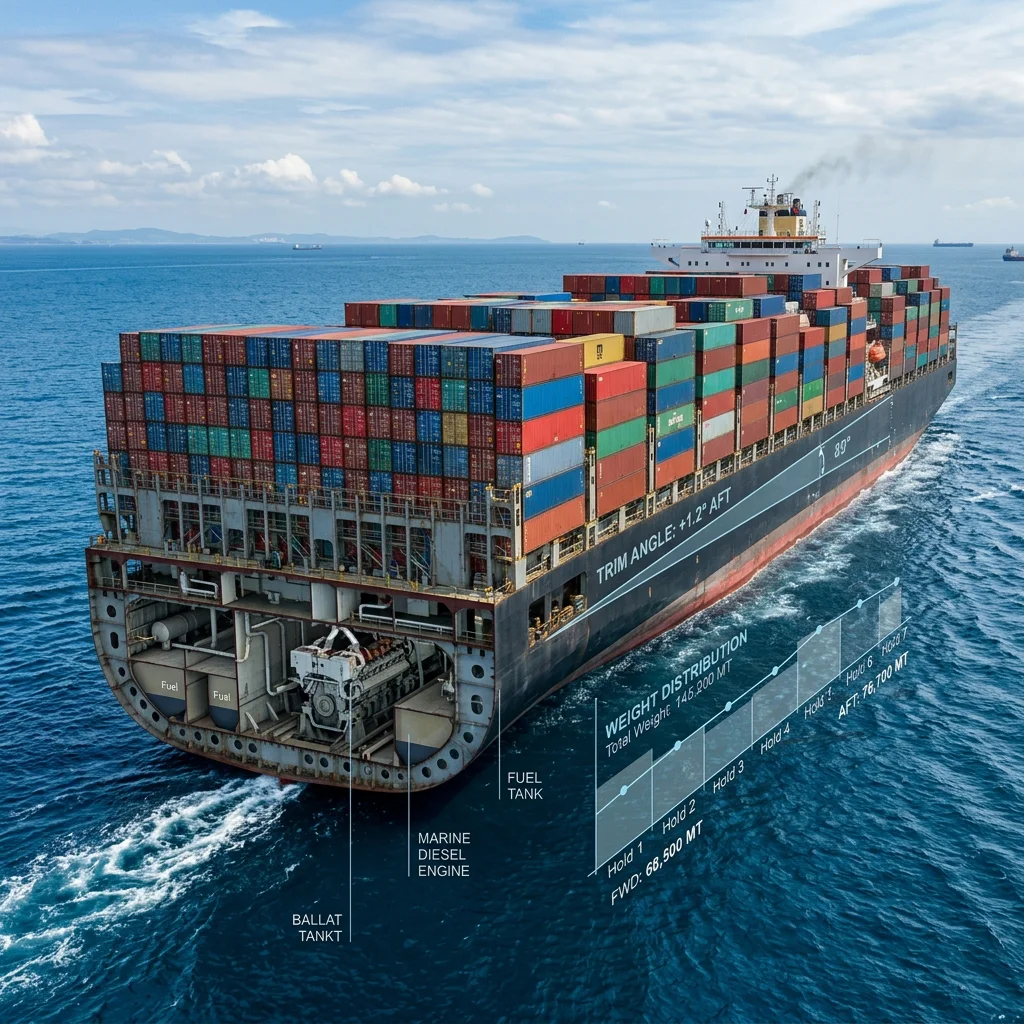
Many ships still sail at full speed to a port only to wait at anchor for a berth. Just-in-time arrival turns that wasted time into slower, cheaper steaming. The hard part is not the physics but the scheduling and the data sharing behind it.

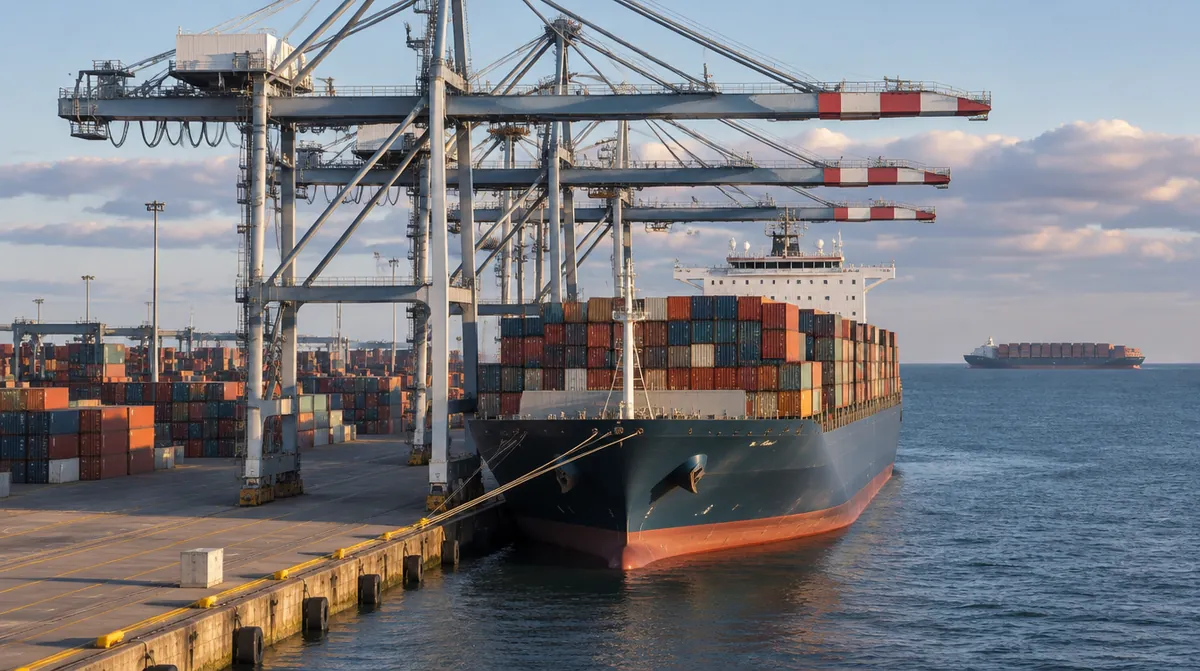
A familiar pattern in shipping goes like this. A vessel crosses an ocean at its normal service speed, arrives off the port, and then waits at anchor for hours or days until a berth becomes free. The fuel burned to arrive early bought nothing. Had the ship known its real berth time, it could have sailed slower, used less fuel and emitted less, and still arrived when the quay was ready.
This is the idea behind just-in-time arrival: the port and the ship agree on a realistic arrival time early in the voyage, and the ship adjusts its speed to meet it. The concept is simple and widely supported by IMO guidance. Making it work every day is a scheduling problem with several parties, uncertain data and contracts that were not written with it in mind.
§ 01Why Ships Hurry to Wait
The habit of rushing has reasons. Under many charter terms, the clock that decides who pays for waiting starts when the ship arrives and is ready, so arriving early protects the ship's commercial position. Berths are often allocated first come, first served, so slowing down can mean losing a place in the queue. And the ship rarely has reliable information about when its berth will actually be free.
So the waste is not a lack of knowledge about fuel curves. Fuel consumption rises steeply with speed, and everyone on board knows that a modest speed reduction over a long passage saves a meaningful share of fuel. The waste comes from incentives and information that make slowing down risky for the individual ship.
§ 02The Scheduling Problem Underneath
From the port's side, just-in-time arrival is an extension of berth planning. The terminal already decides which vessel goes to which berth and when. To offer a ship a reliable arrival slot days ahead, the terminal needs a plan that is stable enough to commit to, while still absorbing delays from cargo operations, weather and the vessels ahead in the sequence.
From the ship's side, it is a speed optimisation problem. Given a target arrival window, the voyage planner chooses a speed profile that minimises fuel use under weather, currents and safety margins. The two problems are linked: the berth plan sets the target, and the realistic speed range of each ship limits which targets are feasible. Treating them together is what turns a good intention into a working process.
§ 03Handling Uncertainty Without Losing the Benefit
A slot given five days ahead will not be exact. The vessel at the berth may finish late, a crane may break down, or the weather may close the port for a few hours. A rigid promise that is broken often teaches ships to ignore future promises and go back to rushing.
Practical schemes therefore use a target window rather than a fixed minute, update it at agreed points during the voyage, and give the ship enough notice to adjust speed in steps rather than suddenly. The planning model can keep a small buffer before high-priority calls and plan slightly ahead of the expected finish time of the previous vessel, so that small delays are absorbed without a cascade of changes. This is the same trade-off between stability and efficiency that appears in any schedule that other people rely on.
§ 04The Data That Has to Flow
None of this works without shared data. The port needs a realistic estimate of when each ship can arrive and how long its operations will take. The ship needs the port's estimate of when its berth will be free, plus pilot, tug and lock availability. Position data from AIS helps the port see where each vessel is and how fast it is moving, which makes arrival predictions far better than a single estimate sent at departure.
Standard message formats for port call data, promoted by IMO and by port associations, make this exchange easier, but adoption varies widely. In many ports the information still travels by email between agents. Even a partial digital link, such as a regularly updated berth availability estimate shared with incoming ships, can already reduce the time vessels spend waiting at anchor.
§ 05Where to Start
A port that wants to test the idea can start with history. Replaying a few months of past calls shows how much time vessels spent at anchor and how much of it was predictable from information available when the ship was still days away. If a large share of the waiting was predictable, better arrival planning has room to help.
The next step is usually a pilot with a few regular services, where commercial terms can be agreed to protect the ship that slows down at the port's request. Once both sides trust the updated arrival windows, the same planning logic can be extended to more calls. The fuel saved is only part of the gain: a calmer anchorage and a smoother quay plan help the terminal too.
Not ready for a project? Ask an engineer your question by email. No call needed.
Ask a question