A cost contingency you can defend when the risk assessments disagree
When the owner, the contractor and the historical record disagree about overrun risk, ARGUS Council produces one certified contingency — and keeps every assessment on file

These figures match the published metrics on the ARGUS Council product page — this walkthrough is a composite scenario, not a specific engagement.
When the owner, the contractor and the historical record disagree about overrun risk, ARGUS Council produces one certified contingency — and keeps every assessment on file
Segment: Infrastructure and megaproject risk
A blended contingency looks reasonable on the day it's agreed. The trouble comes years later, when the overrun matches the view that was averaged away and there's no record of who said what. Documented megaproject statistics show how expensive that is: across 258 real projects, zero-contingency planning falls 83, 96 and 50 percentage points short for rail, fixed-link and road projects respectively, against ARGUS's certified provision.
How the deployment was structured
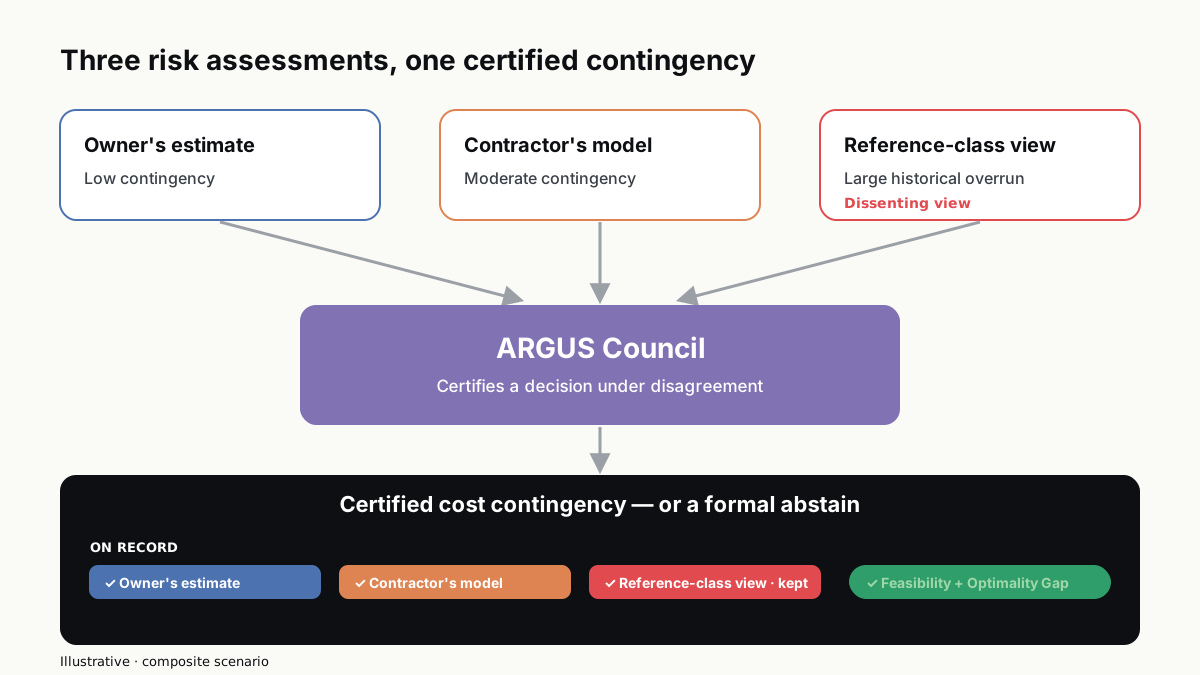
Every assessment stays on record
The owner's, contractor's and reference-class views are all kept as they were submitted. Nothing is blended away before the decision is made.
A contingency that covers the full range of views
ARGUS sizes the contingency against the whole range of assessments — including the one that disagrees — rather than the middle of them.
Certified, or formally refused
The contingency ships with a Feasibility Certificate and an Optimality Gap Certificate. If the assessments are too thin or too dependent on each other to certify anything, ARGUS issues a formal abstain with a stated reason.
The result is one contingency figure that a board, a lender and a regulator can all read, backed by certificates rather than a negotiated average — and a record of every assessment that went into it, for the day someone asks why the number was what it was.
Other use cases
All use cases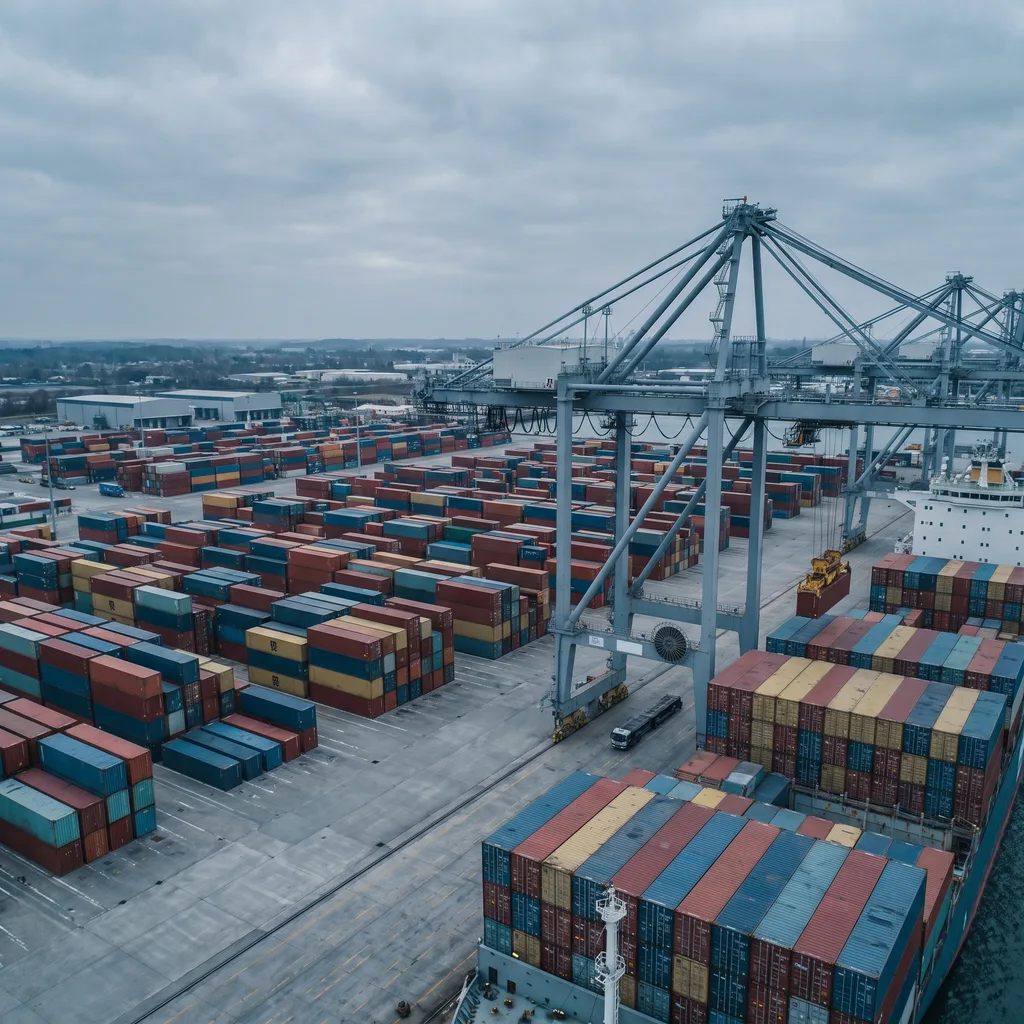
Cutting damage claims and load time across a multi-site grocery network
View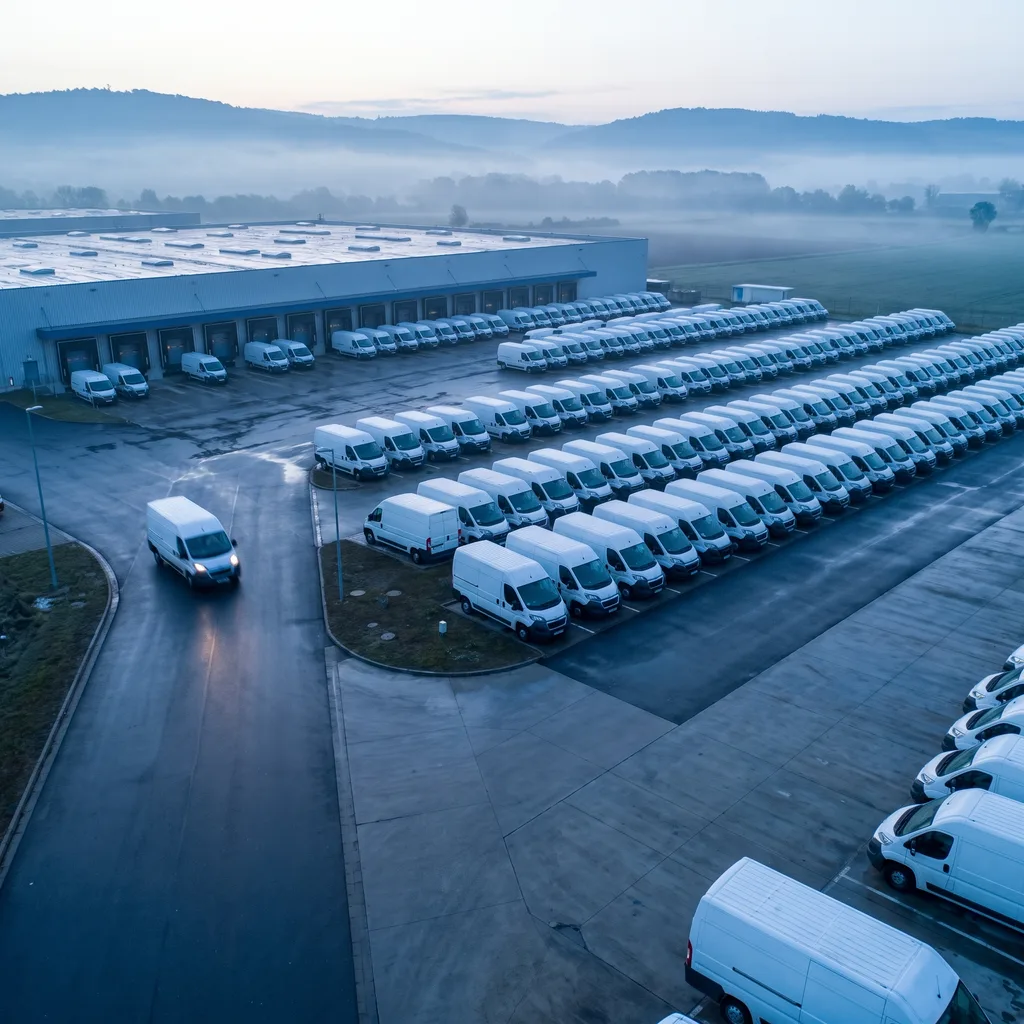
Holding a 98%+ on-time rate through a mixed van and cargo-bike last-mile fleet
View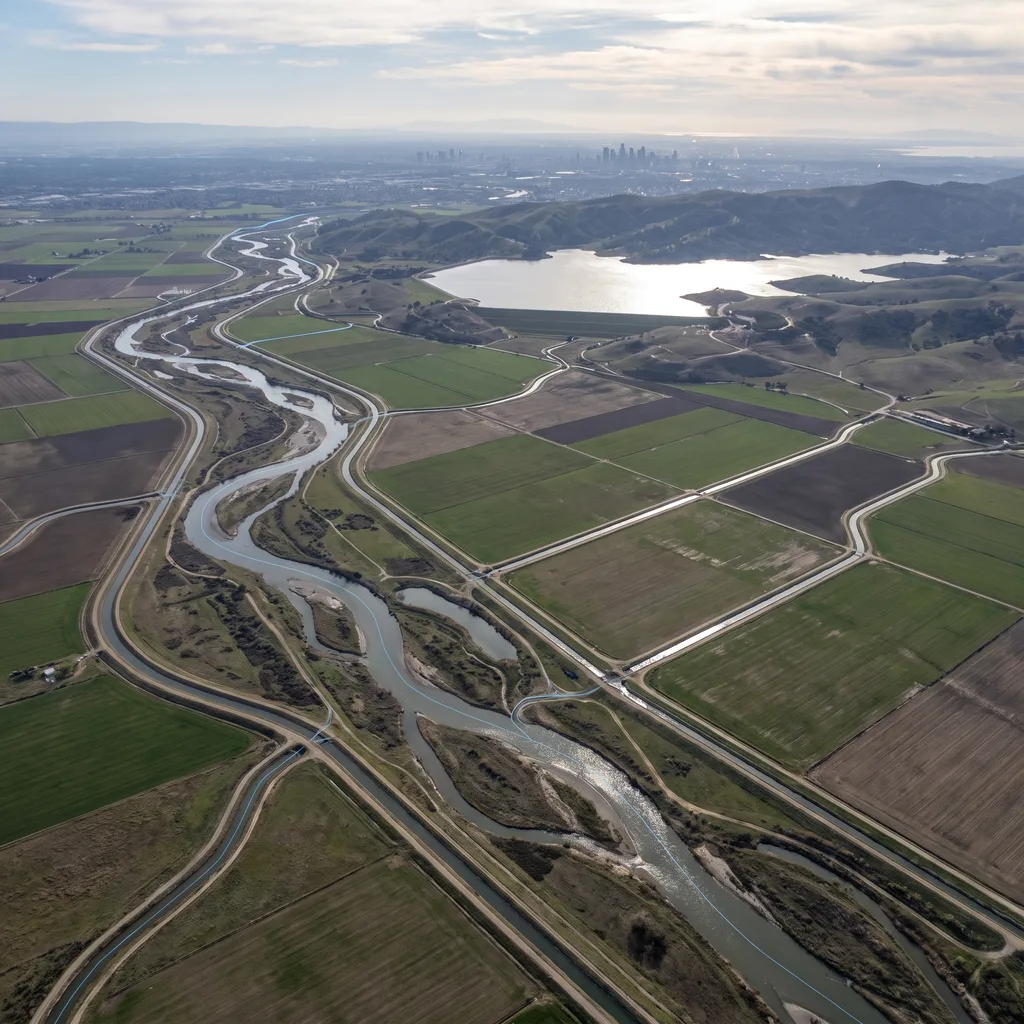
Arbitrating a dry-season shortage across municipal, agricultural, and industrial demand
ViewReady to optimize your operations?
Talk to our research team about your operational challenge. Receive a tailored technical proposal within 72 hours.