Cutting port turnaround time on a multi-port container string
Stowage planning for a vessel calling multiple ports on a multi-port string
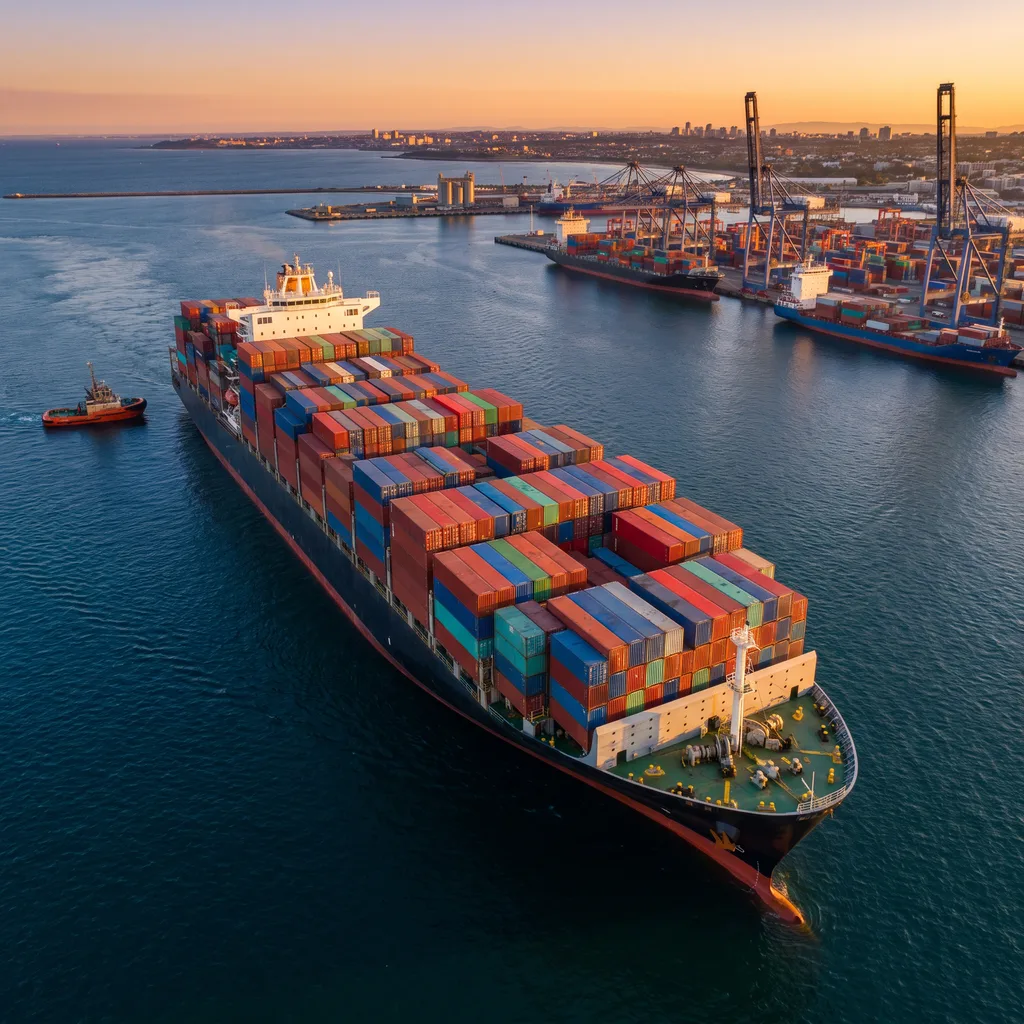
These figures match the published metrics on the Predictim ISPS — Stowage Planning product page — this walkthrough is a composite scenario, not a specific engagement.
Stowage planning for a vessel calling multiple ports on a multi-port string
Segment: Multi-port container stowage planning
Manual stowage planning on a multi-port string is a genuinely hard combinatorial problem: every container's discharge port, weight, and hazard class interacts with every other one, and a plan that looks fine loading at the origin port can force expensive overstows two calls later. Planners typically work from experience and checklists, without a structural stress or stability view that updates as the plan changes, and SOLAS threshold breaches get caught late rather than flagged as the plan is built.
How the deployment was structured
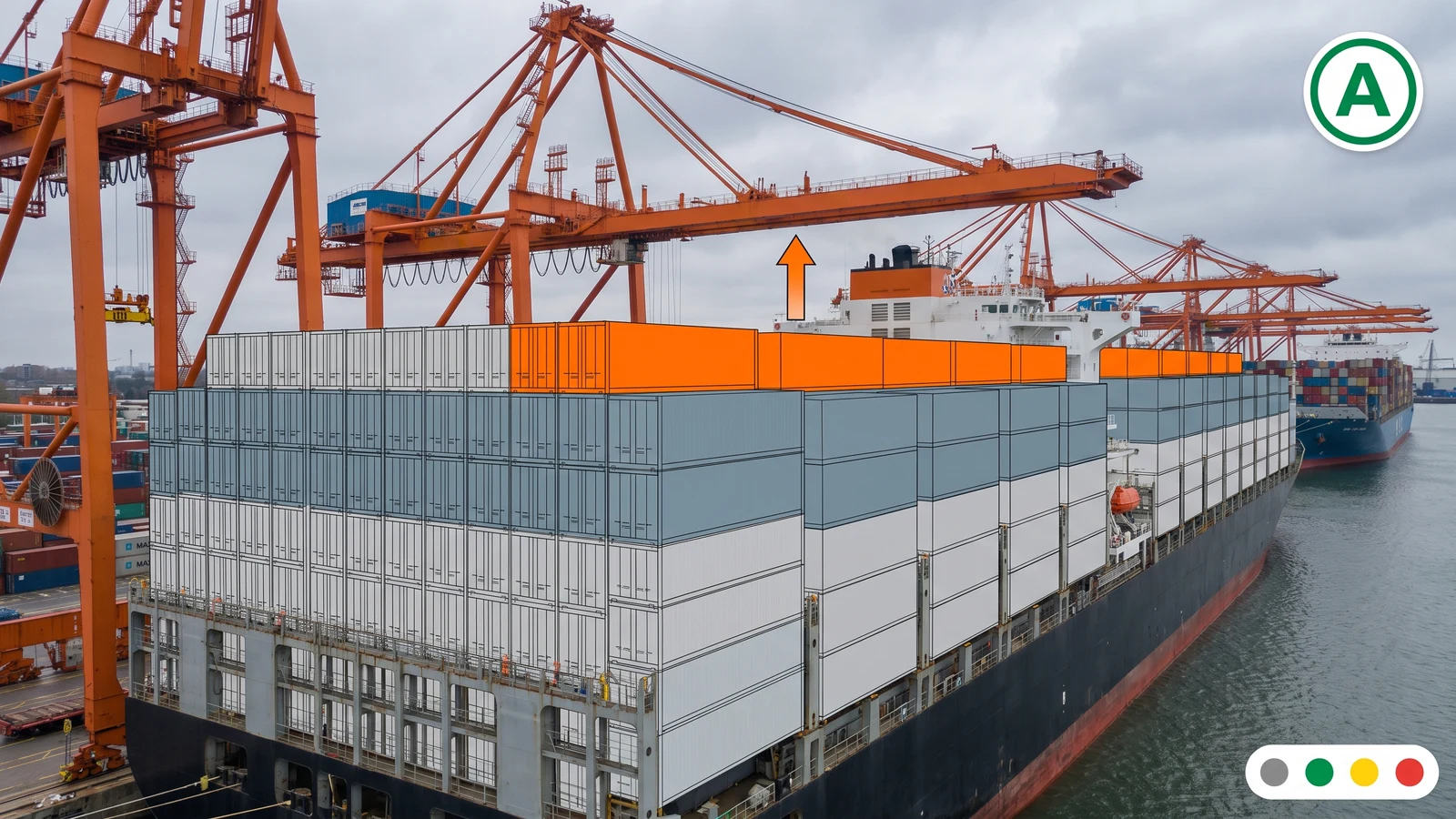
Optimising for the whole string, not one port
The stowage optimiser generates plans against the full discharge-port sequence up front, specifically to avoid the overstows that a port-by-port approach creates.
Stability computed as cargo loads
Draft, trim, heel, and metacentric height update dynamically across 21 longitudinal hull stations as the plan is built, not as a separate check afterward.
Structural limits flagged before they're breached
Shear force and bending moment curves carry automatic SOLAS threshold flags, catching a structurally unsound plan before it reaches the vessel.
Dangerous goods segregation by design
Hazardous cargo placement is checked against IMDG segregation rules as the plan is generated, not audited after loading begins.
Planning against the full multi-port sequence — instead of one port at a time — is what removes the overstows that would otherwise drive up turnaround time at the second and third calls on the string.
Related reading
AI-Driven Vessel Trim and Stowage Optimization: Cutting Fuel Costs Without Cargo Delay
How a vessel is loaded directly governs its hydrodynamic resistance and fuel consumption at sea — Stowage planning algorithms now balance metacentric height, port discharge order, and trim to save 5-8% fuel per voyage.
ReadThe Sea-Side Half of Maritime Logistics: Routing, Fuel, Crew, and Risk
Port-side logistics gets most of the attention, but the sea-side of maritime operations — vessel routing, fuel and emissions, crew scheduling, and risk management — carries its own distinct set of optimization problems.
ReadThe Port-Side Half of Maritime Logistics: Berths, Cranes, Yards, and Internal Transport
Vessel routing happens at sea, but the time a ship spends at port is often the larger share of its journey. Berth allocation, crane coordination, yard stacking, and internal vehicle routing all shape how long that stay lasts.
ReadOther use cases
All use cases
Turning “off sick tonight” into an updated nurse roster
View
Re-planning routes from what drivers actually report
View
A cost contingency you can defend when the risk assessments disagree
ViewReady to optimize your operations?
Talk to our research team about your operational challenge. Receive a tailored technical proposal within 72 hours.