Sequencing segregated cargo grades without manual tank-loading calculations
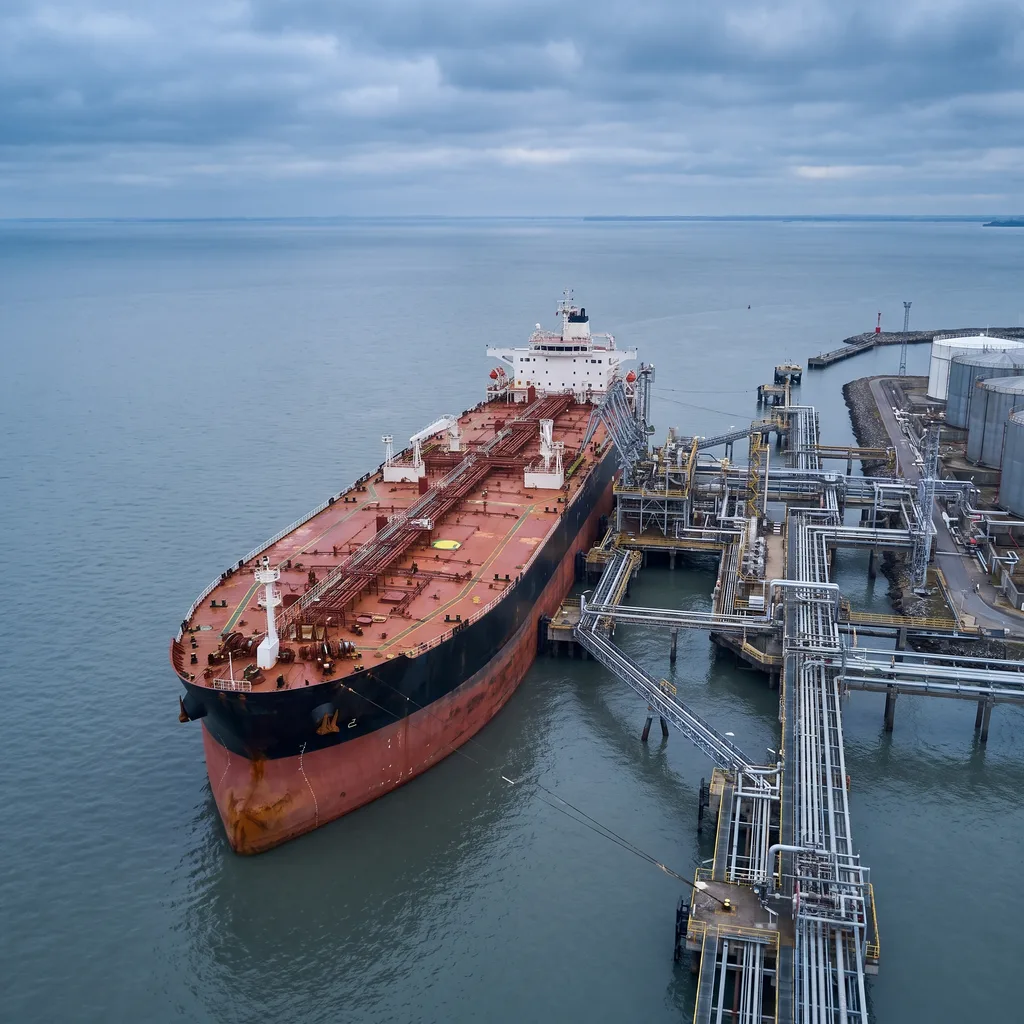
Loading-sequence planning for a tanker carrying several segregated cargo grades per voyage
These figures match the published metrics on the Predictim ISPS — Stowage Planning product page — this walkthrough is a composite scenario, not a specific engagement.
Loading-sequence planning for a tanker carrying several segregated cargo grades per voyage
Segment: Multi-grade tanker loading sequencing
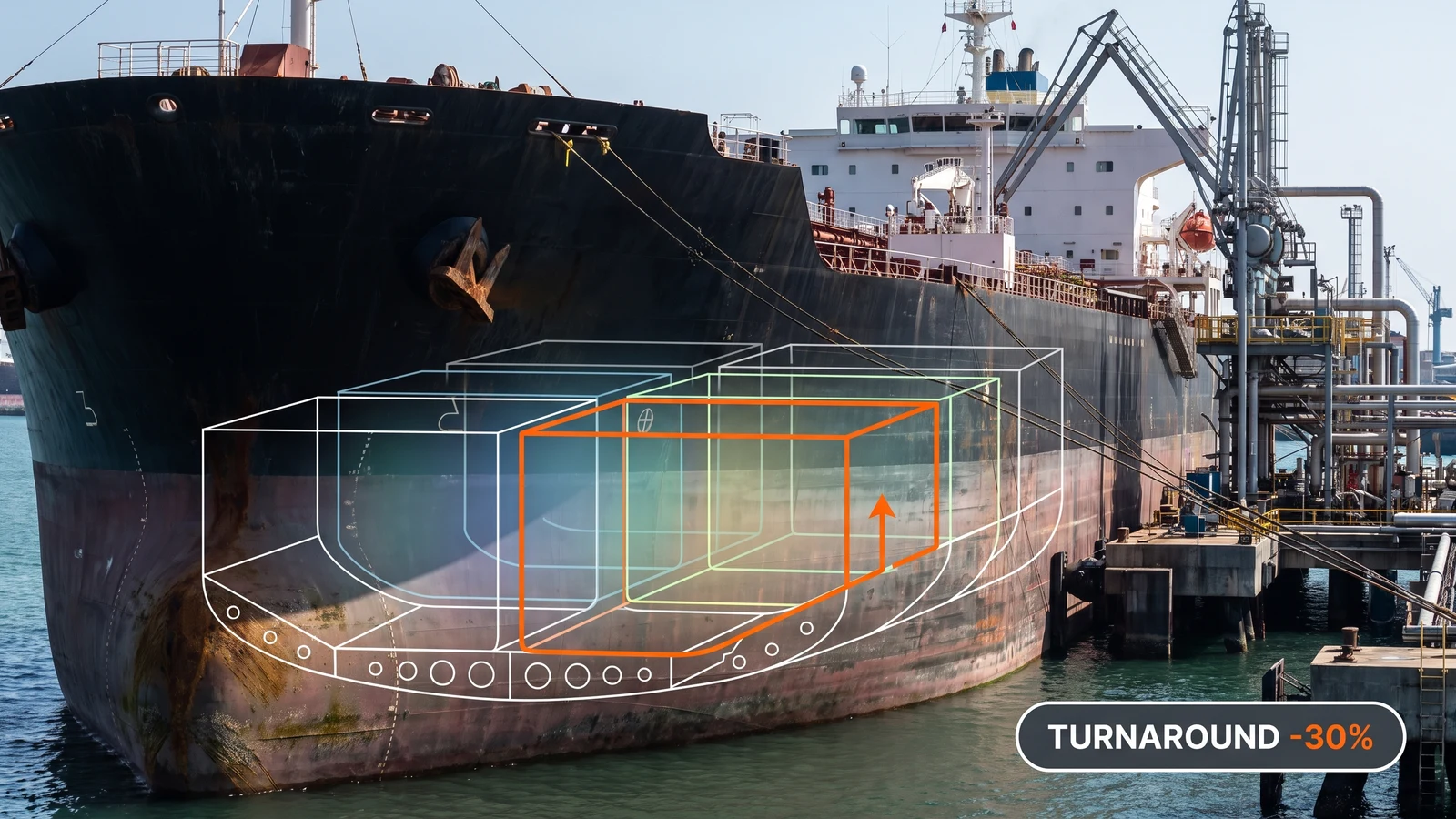
Tanker loading isn't just about which tank holds which grade — the loading and discharge sequence has to keep draft, trim, and stability within limits at every intermediate stage of the voyage, not just at departure and arrival. Recalculating that by hand for each port call is slow, and leaves little room to explore an alternative sequence that might cut handling time without re-running the full manual calculation again.
How the deployment was structured
Hydrostatics recalculated live
The same hydrostatic and stability engine used for container vessels — buoyancy integration across 21 longitudinal stations — applies directly to tanker loading and discharge sequencing.
Structural stress tracked through the voyage
Shear force and bending moment are monitored at every loading stage, not just the final condition, with SOLAS threshold flags raised automatically.
Segregation enforced automatically
MARPOL Annex II cargo-compatibility rules are checked as each grade is assigned to a tank, removing a manual cross-check step from every voyage plan.
A live voyage economics view
Fuel consumption, handling rates, and estimated net margin update in the dashboard as loading-sequence decisions are made, not after the fact.
The same stowage engine that plans container loads handles multi-grade tanker sequencing without a separate manual calculation per voyage — turning a recurring planning bottleneck into a generated, checked plan.
Related reading
AI-Driven Vessel Trim and Stowage Optimization: Cutting Fuel Costs Without Cargo Delay
How a vessel is loaded directly governs its hydrodynamic resistance and fuel consumption at sea — Stowage planning algorithms now balance metacentric height, port discharge order, and trim to save 5-8% fuel per voyage.
ReadThe Sea-Side Half of Maritime Logistics: Routing, Fuel, Crew, and Risk
Port-side logistics gets most of the attention, but the sea-side of maritime operations — vessel routing, fuel and emissions, crew scheduling, and risk management — carries its own distinct set of optimization problems.
ReadThe Port-Side Half of Maritime Logistics: Berths, Cranes, Yards, and Internal Transport
Vessel routing happens at sea, but the time a ship spends at port is often the larger share of its journey. Berth allocation, crane coordination, yard stacking, and internal vehicle routing all shape how long that stay lasts.
ReadOther use cases
All use cases
Turning “off sick tonight” into an updated nurse roster
View
Re-planning routes from what drivers actually report
View
A cost contingency you can defend when the risk assessments disagree
ViewReady to optimize your operations?
Talk to our research team about your operational challenge. Receive a tailored technical proposal within 72 hours.