Re-planning routes from what drivers actually report
Driver messages about accidents, closures and delays become routing constraints the planner can act on — not calls a dispatcher has to decode

These figures match the published metrics on the Predictim GenOR-Twin product page — this walkthrough is a composite scenario, not a specific engagement.
Driver messages about accidents, closures and delays become routing constraints the planner can act on — not calls a dispatcher has to decode
Segment: Delivery and freight fleets
Rule-based parsing handles the phrasings someone thought of in advance and misses the rest; in the published evaluation, a rule-based extractor failed on 82% of the varied phrasing found in real logs. The result is a dispatcher reading messages, guessing which routes are affected and adjusting by hand, while time windows at downstream stops quietly slip.
How the deployment was structured
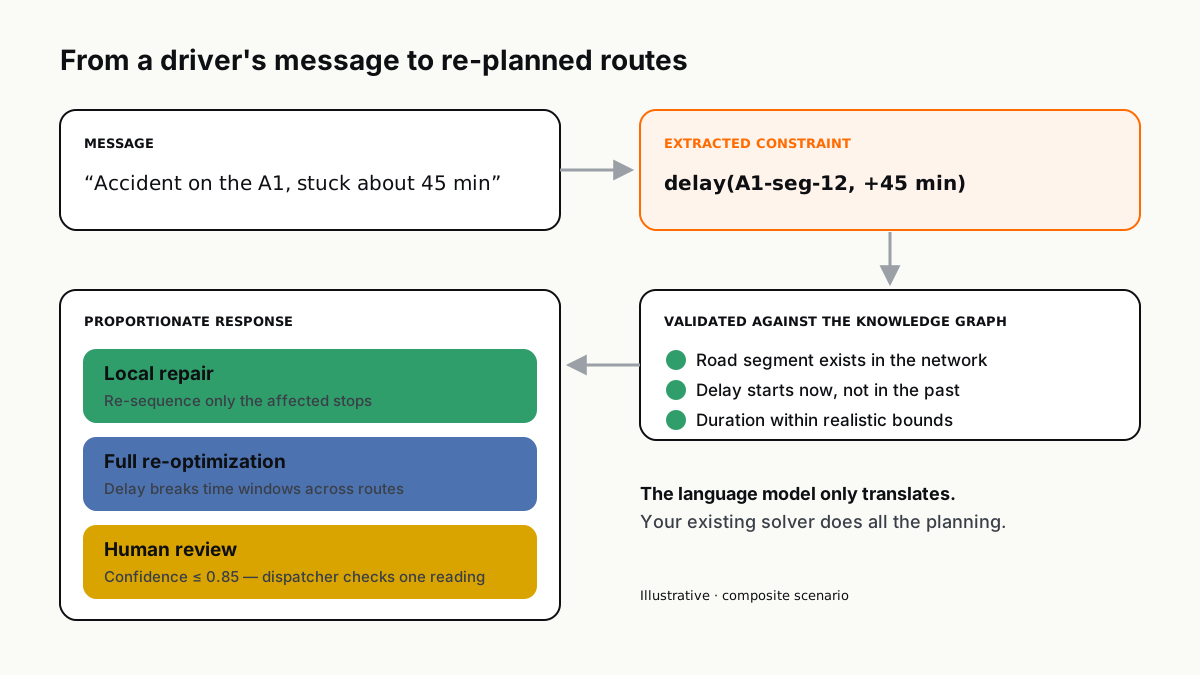
From message to edge update
The driver's message is translated into a constraint on the network model — this road segment, this extra delay — rather than a free-text note someone has to interpret later.
Checked against the network
Before it counts, the constraint is validated: the segment exists in the routing network, the delay starts now rather than in the past, and the duration is within realistic bounds.
Re-sequence, re-plan, or ask
If only the affected stops need re-sequencing, that's a local repair. If the delay breaks time windows across several routes, the routing model re-optimizes. If the message is too vague to act on, the dispatcher confirms one reading.
Vehicle routing is one of the six problem types GenOR-Twin was validated on. On the Solomon R101 benchmark it produced a 3.7% better objective than a rule-based extraction pipeline, and the language-model step took about 2 milliseconds regardless of problem size — so the speed of a re-plan is set by the routing solver, not by reading the message.
Related reading
Let the LLM Translate, Not Solve: How Shift Notes Become Safe Scheduling Constraints
Most schedule disruptions arrive as a sentence, not a data field. Large language models can read that sentence. They should not be trusted to plan around it — and they don't need to be.
ReadGenerative AI in Supply Chain Management: From Scenario Planning to Synthetic Foresight
Generative AI is reshaping how planners reason about uncertainty — moving from static scenarios to synthetic, multi-modal foresight that adapts in real time.
ReadOther use cases
All use cases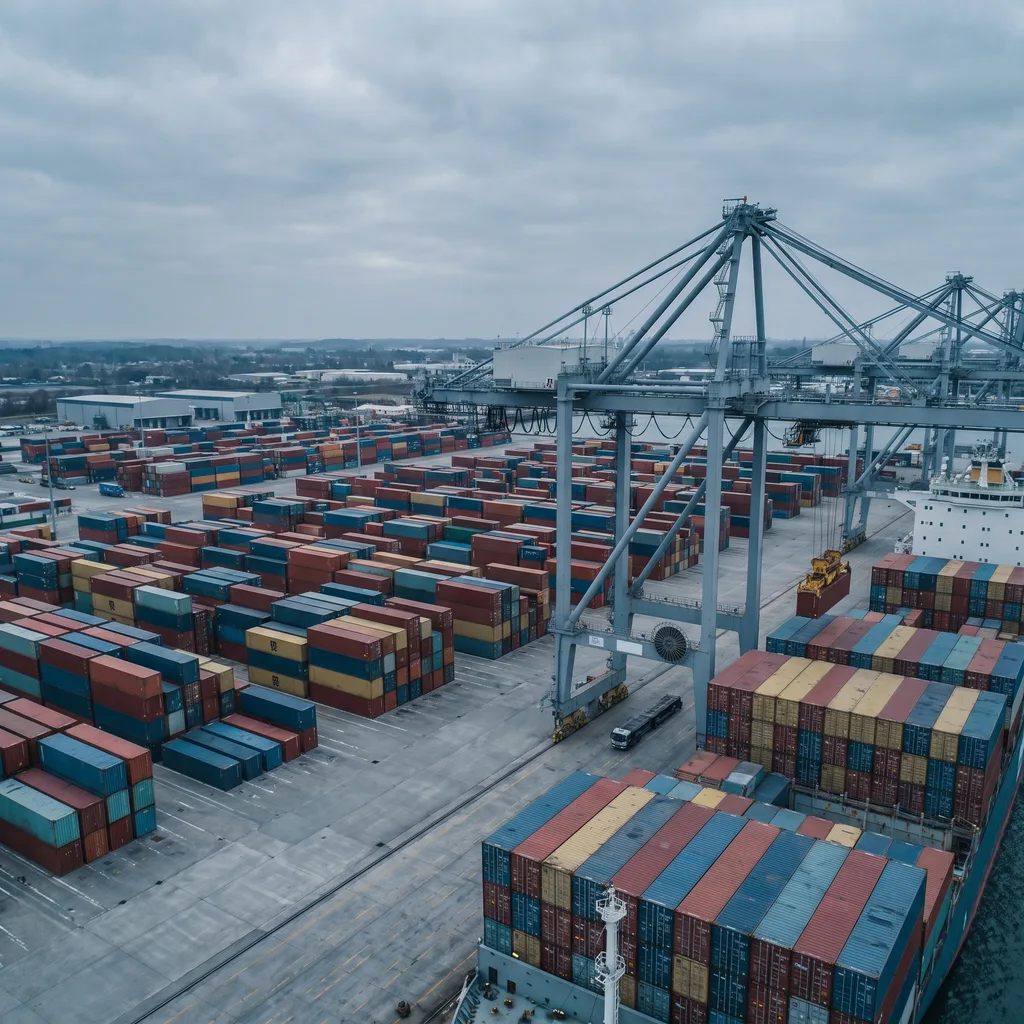
Cutting damage claims and load time across a multi-site grocery network
View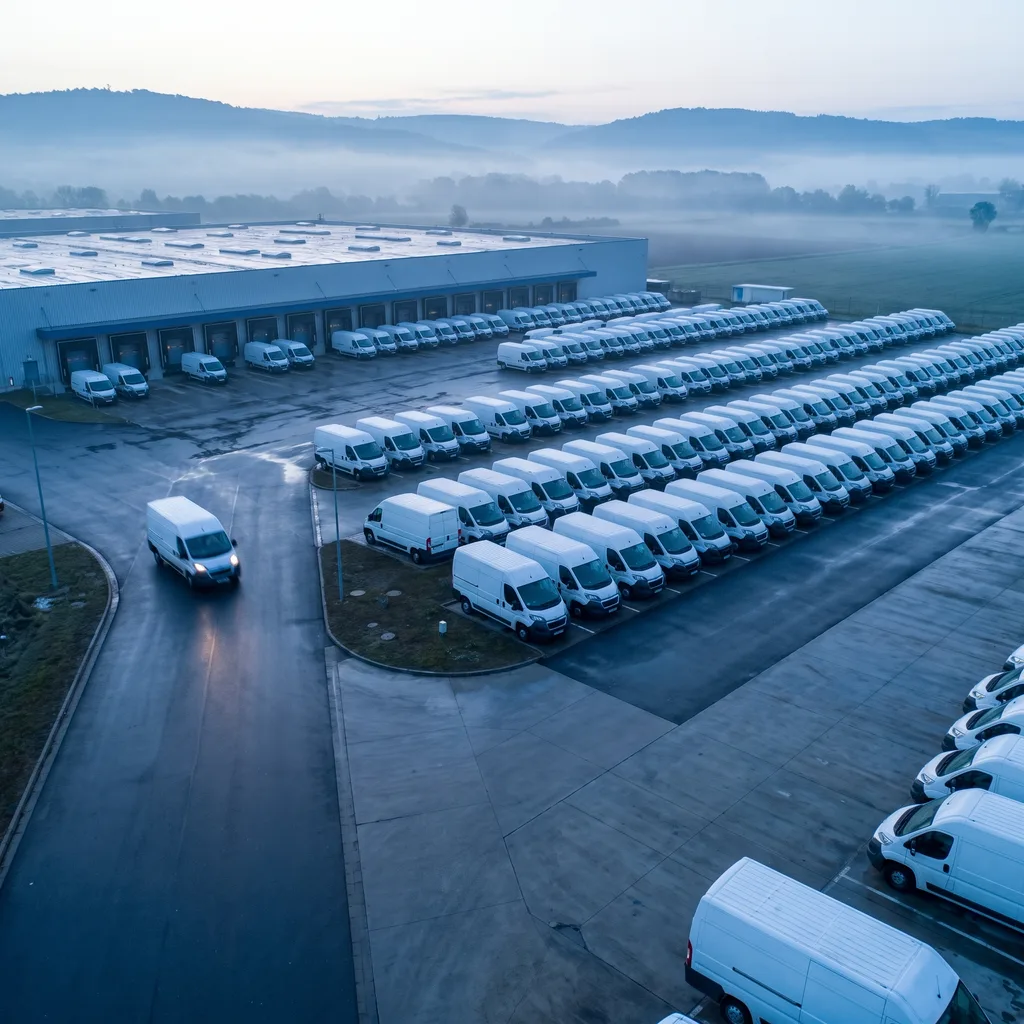
Holding a 98%+ on-time rate through a mixed van and cargo-bike last-mile fleet
View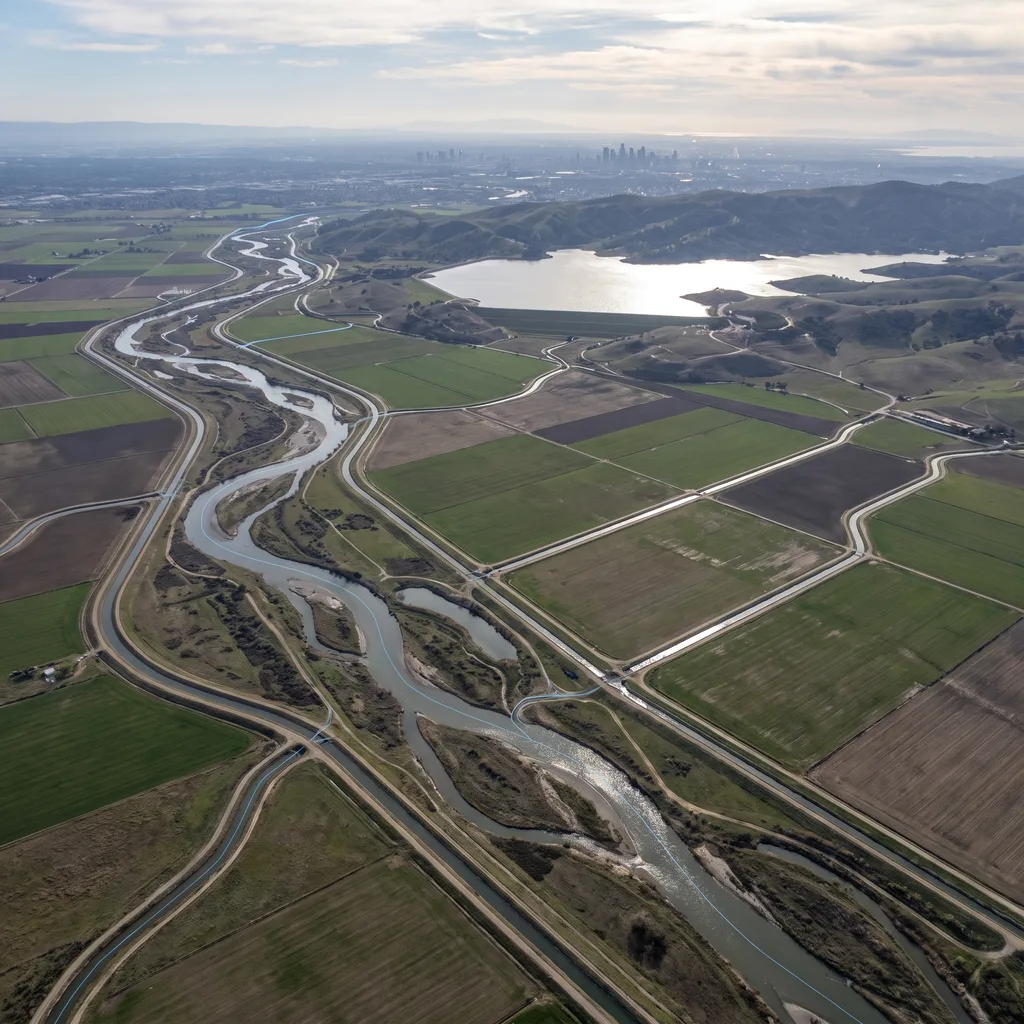
Arbitrating a dry-season shortage across municipal, agricultural, and industrial demand
ViewReady to optimize your operations?
Talk to our research team about your operational challenge. Receive a tailored technical proposal within 72 hours.