Moving from fixed-interval diver inspections to a prioritised risk queue
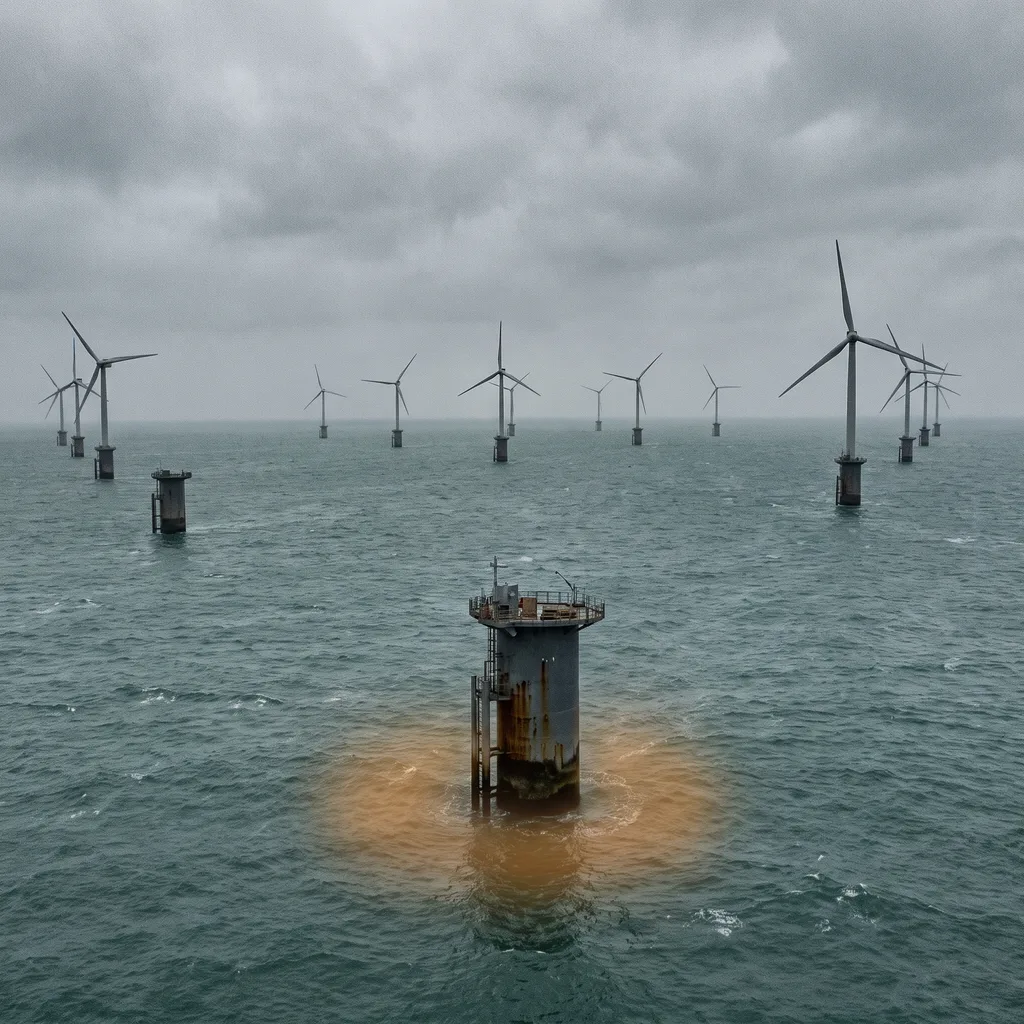
Predictive corrosion monitoring for submerged monopile foundations across several wind farms
These figures match the published metrics on the Predictim Corrosion Solution product page — this walkthrough is a composite scenario, not a specific engagement.
Predictive corrosion monitoring for submerged monopile foundations across several wind farms
Segment: Offshore wind corrosion monitoring
Diver and ROV inspection campaigns are expensive and weather-dependent, so operators default to a uniform inspection interval across every structure. That treats a monopile in mild, well-oxygenated water the same as one in a local corrosion hot spot — spending inspection budget evenly instead of where risk is actually concentrated, and leaving no early signal between scheduled visits.
How the approach works
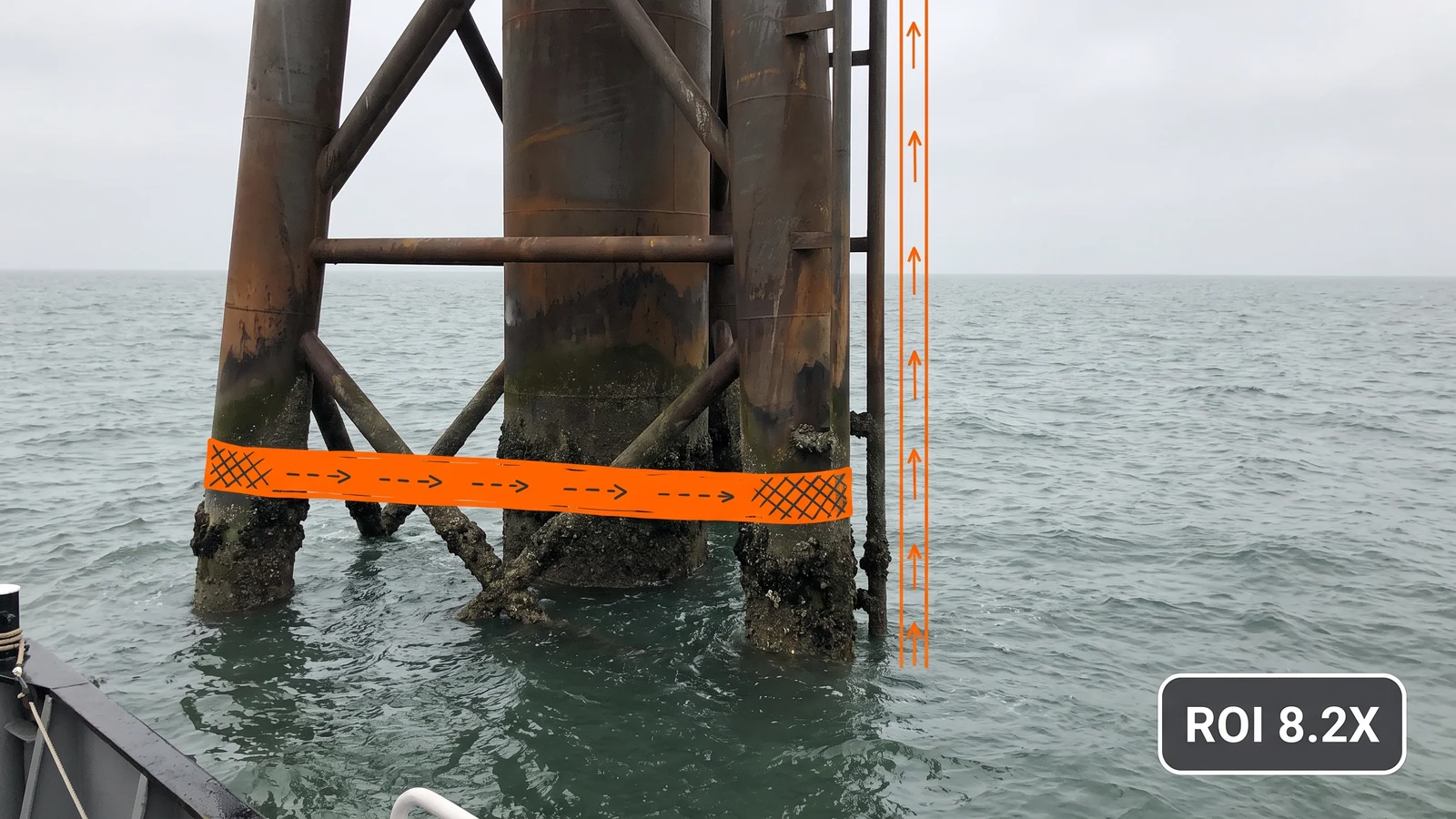
Prediction, not just monitoring
Machine-learning models — grounded in the submerged-steel corrosion research from the SOCORRO-Interreg programme — predict uniform corrosion rate for unprotected steel before physical decay is visible.
Multi-sensor telemetry, continuously
pH, conductivity, dissolved oxygen, and temperature stream into a local water-corrosivity index in real time via a developer API, rather than a snapshot taken during a scheduled visit.
A risk matrix, not a flat schedule
Telemetry history maps into a risk matrix per structure, so anode replacement and maintenance budget go to the monopiles that actually need it first.
Offshore-specific models
Pre-configured models for wind turbine monopiles and sheet piles mean the risk scoring reflects the actual asset type, not a generic submerged-steel default.
Reallocating inspection and anode-replacement budget by predicted risk, instead of spreading it evenly across the fleet, is the core shift — the same one the underlying SOCORRO-Interreg research programme set out to enable for submerged steel infrastructure generally.
Related reading
Pipeline Predictive Maintenance: Sensor Strategies, Failure Modes, and AI Models
"IoT sensors plus AI" undersells how failure-mode-specific pipeline monitoring actually is — a leak-detection system and a corrosion-forecasting system solve different problems, on different signals, at different timescales.
ReadFrom Reactive Inspection to Predictive Maintenance: AI and IoT for Pipeline Infrastructure
Pipeline corrosion and material wear are usually caught after the fact. Combining computer vision, IoT telemetry, and predictive models shifts maintenance from reactive repair to scheduled intervention — before failure, not after.
ReadWhich Platforms Help Extend Asset Life Through Corrosion Forecasting? An Evaluation Guide
Corrosion forecasting platforms range from generic anomaly detectors to physics-informed remaining-life models — the difference determines whether a flagged pipe segment gets an inspection crew or gets ignored.
ReadOther use cases
All use cases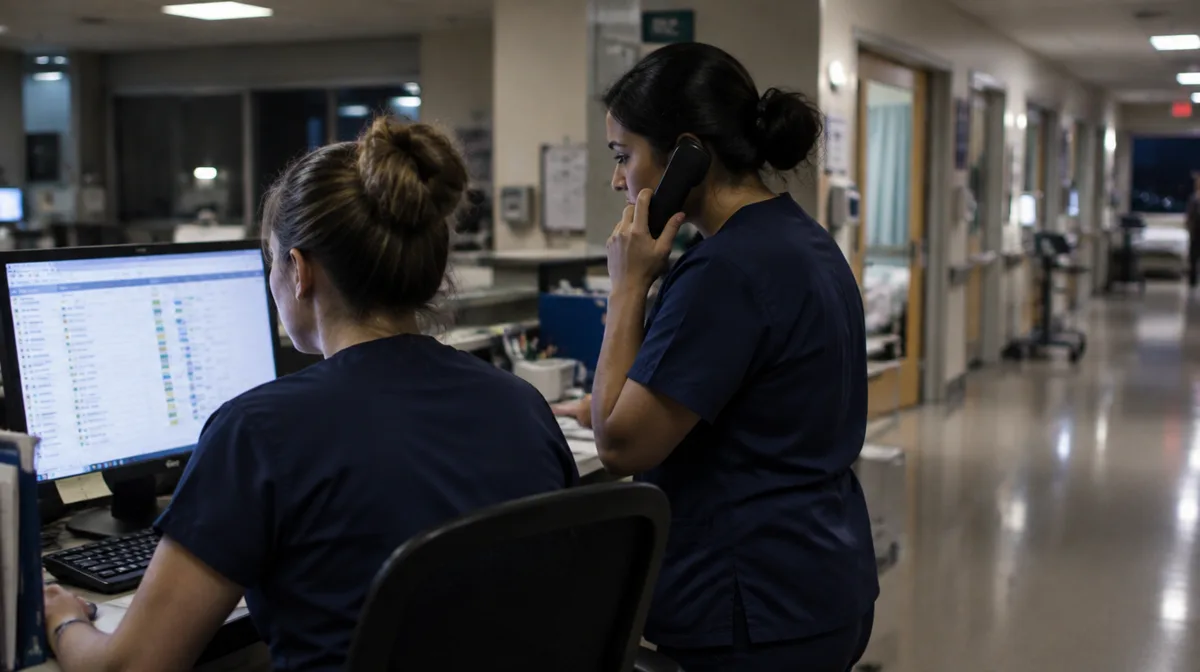
Turning “off sick tonight” into an updated nurse roster
View
Re-planning routes from what drivers actually report
View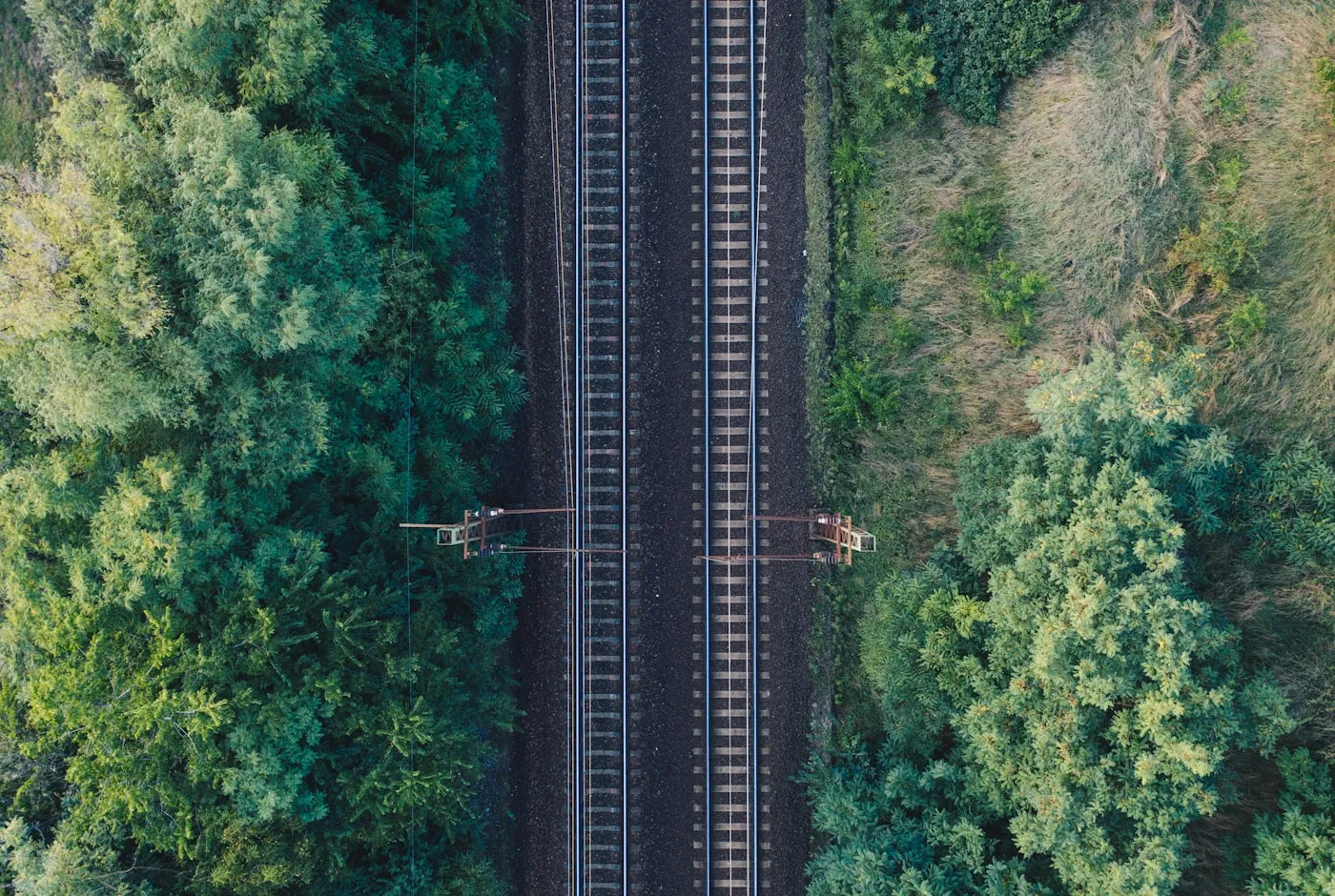
A cost contingency you can defend when the risk assessments disagree
ViewReady to optimize your operations?
Talk to our technical team about your operational challenge. An engineer replies within 72 hours, Monday to Friday.